
Community Gardens in Southwest Florida
There is something quietly powerful about a shared garden. It is not just the act of growing plants. It is the act of growing something together.
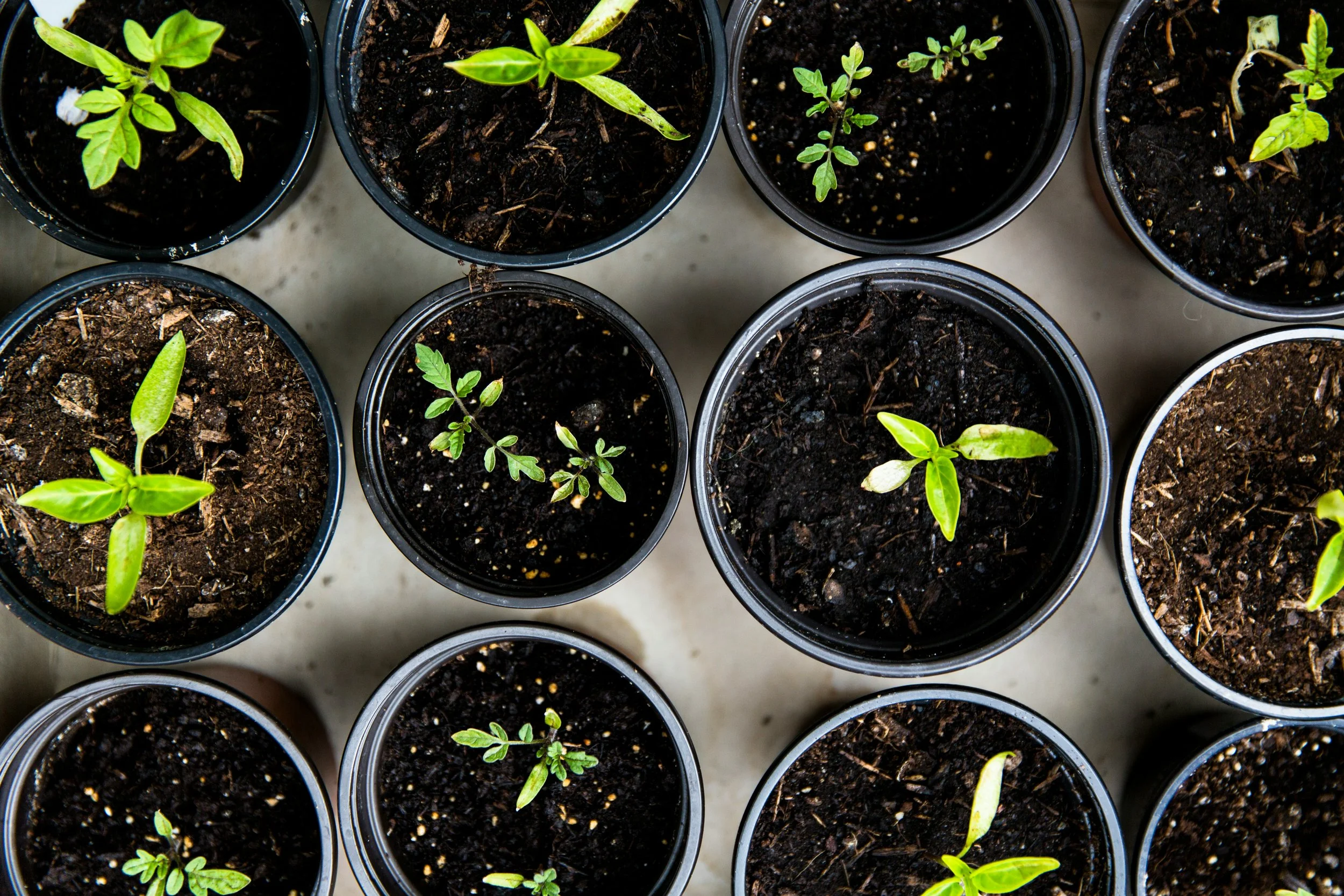
Across Southwest Florida, community gardens are becoming more visible, more active, and more important. What may look like a simple collection of raised beds is often something much deeper. These spaces bring people together across generations, backgrounds, and seasons in a place where connection happens naturally.
In a region like Naples, where the population shifts throughout the year, that kind of connection matters. Community gardens offer a sense of continuity. They give people a reason to return, to participate, and to invest in something that grows over time.
At St. Monica’s Episcopal Church, you can find the Veggie Village Community Garden run by ‘The Healthy Earth Org’ which spans over half an acre where garden beds are maintained by both novice and experienced gardeners. This organization also supports the Harvest Oasis Community Garden at Lee Health Coconut Point’s Healthy Life Center and the Bloomingful Community Garden at Lee Health Gulf Coast Medical Center.
Educational programs supported by the University of Florida IFAS Extension can also be found in Collier County. Local reporting has highlighted how these programs help residents learn how to grow food in Florida’s unique climate while also encouraging sustainable practices.
In many cases, they serve as outdoor classrooms. Families learn how to compost. Children see where food actually comes from. New residents begin to understand how different growing seasons work in Southwest Florida.
On Marco Island, both St. Marks Episcopal Church & Wesley United Methodist Church have gardens where vegetables, herbs, and other various plants are grown throughout the year. These exist both for the community and as an educational experience for the preschools they house. Anyone who has witnessed a 3-4 year old in a garden can tell you, they absolutely love it, and gardens like these allow children to learn how food they consume daily is grown rather than just seeing it in a grocery store.
That educational role is echoed nationally by the American Community Gardening Association, which notes that community gardens improve food access while also strengthening neighborhood ties.
But in Southwest Florida, there is another layer to the story. Community gardens here are also about resilience.
Local coverage in Fort Myers has shown how gardens have been used as recovery spaces following major storms. In the aftermath of hurricanes, shared growing spaces often become places where people reconnect, rebuild routines, and restore a sense of normal life.
FGCU has a college-student run community garden called “The Food Forest” that specializes in tropical and subtropical fruits and edible plants. This garden is open to the community sunrise to sunset. The purpose of the garden is to “engage students and the community in sustainable food and living practices”. If you live in the area, definitely stop by to check it out!
There is something grounding about putting your hands in the soil after everything else has been disrupted.
In Naples, spaces like the Naples Botanical Garden extend this idea even further. While widely known as a destination, it also supports community outreach and education programs that encourage people to bring what they learn back into their own neighborhoods.
This creates a ripple effect. Knowledge spreads. Confidence grows. More people begin planting.
Even smaller scale efforts are making an impact. Informal neighborhood gardens, shared plots, and local plant exchanges are becoming more common. These may not always make headlines, but they are just as important. They represent a shift in how people think about space and community.
A vacant lot becomes a garden. A group of strangers becomes a network. A few seeds become hundreds of vegetables. A pile of dirt becomes an outdoor classroom.
There is a quote often associated with gardening that feels especially relevant here.
“To plant a garden is to believe in tomorrow.”
In Southwest Florida, that belief shows up in very real ways. It shows up in the person who waters a shared plot early in the morning. It shows up in the volunteer teaching someone how to grow their first vegetable. It shows up in the conversations that happen between rows of plants.
For a place like Greenhaus, this idea fits naturally. Coffee shops and community gardens share something in common. They are both gathering spaces. They create opportunities for connection without forcing it.
Adding plants into that environment strengthens it even more. It creates a bridge between the indoor and outdoor experience. Between conversation and cultivation.
If you are interested in becoming part of this movement, the first step is simple. Visit a local garden. Ask questions. Offer to help.
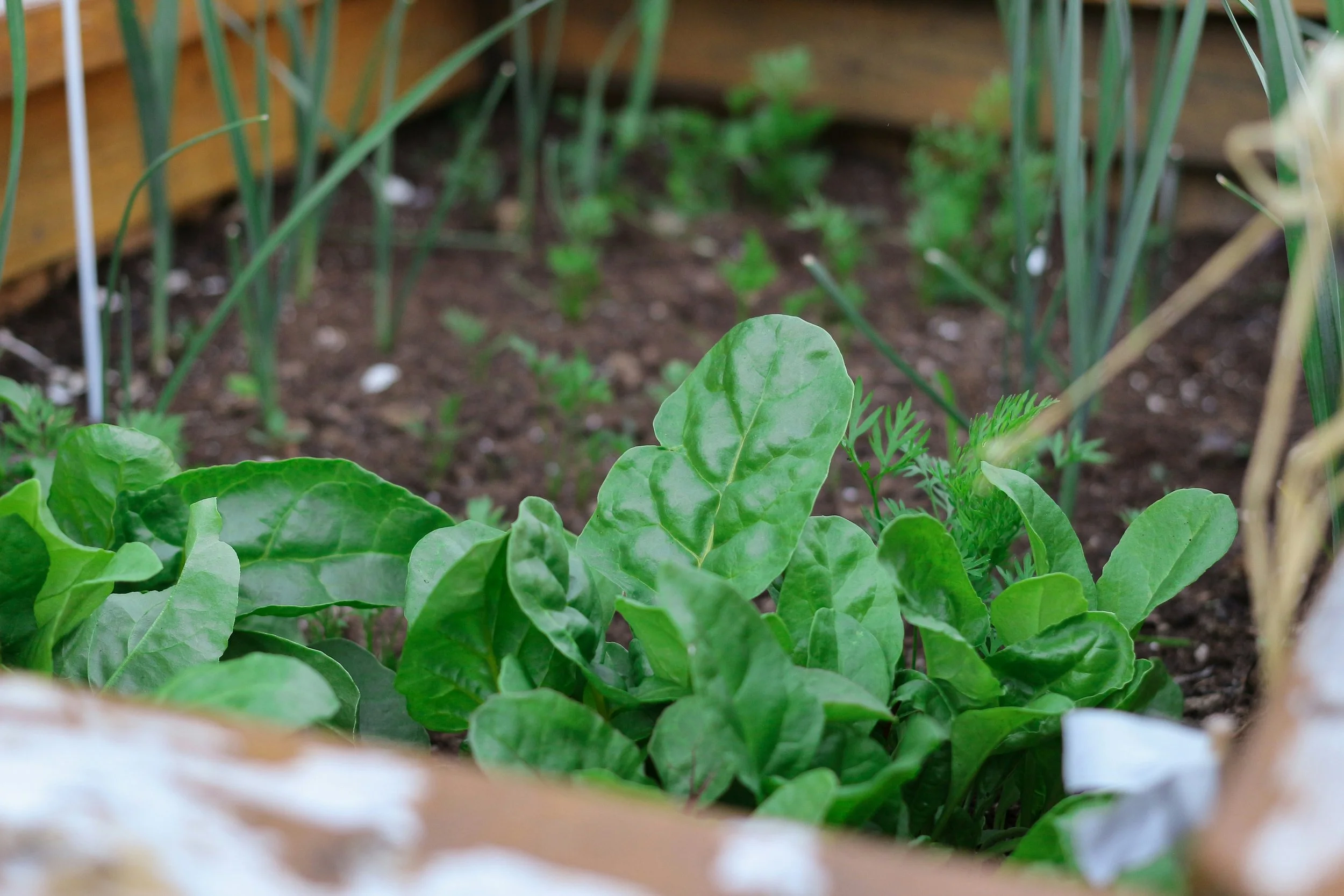
You do not need experience to get involved. You just need curiosity.
With love,
The Greenhaus Team
