
Composting 101 for Apartment Dwellers
Composting is often associated with large gardens or outdoor spaces, but it is actually possible in very small environments. Even apartment dwellers can turn food scraps and organic waste into something useful for plants.
The EPA encourages composting as a way to reduce landfill waste and improve soil health at the same time.
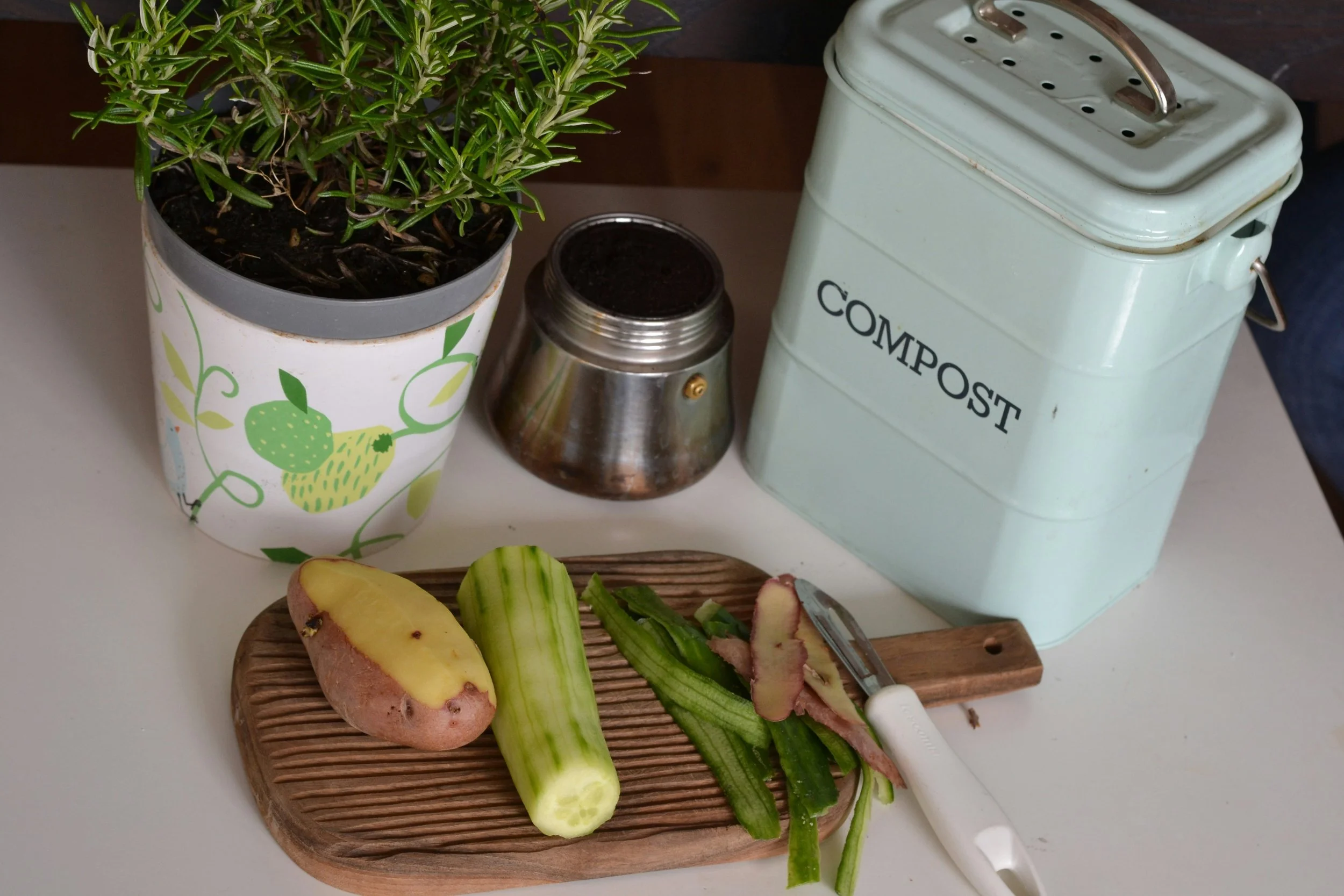
At its core, composting is the process of breaking down organic material into nutrient rich soil. This includes things like fruit peels, vegetable scraps, coffee grounds, and even paper products. Over time, microorganisms such as bacteria and fungi slowly break these materials down into a dark, earthy substance that can be added back into soil to support plant growth. What feels like waste in the moment becomes part of a larger natural cycle of renewal.
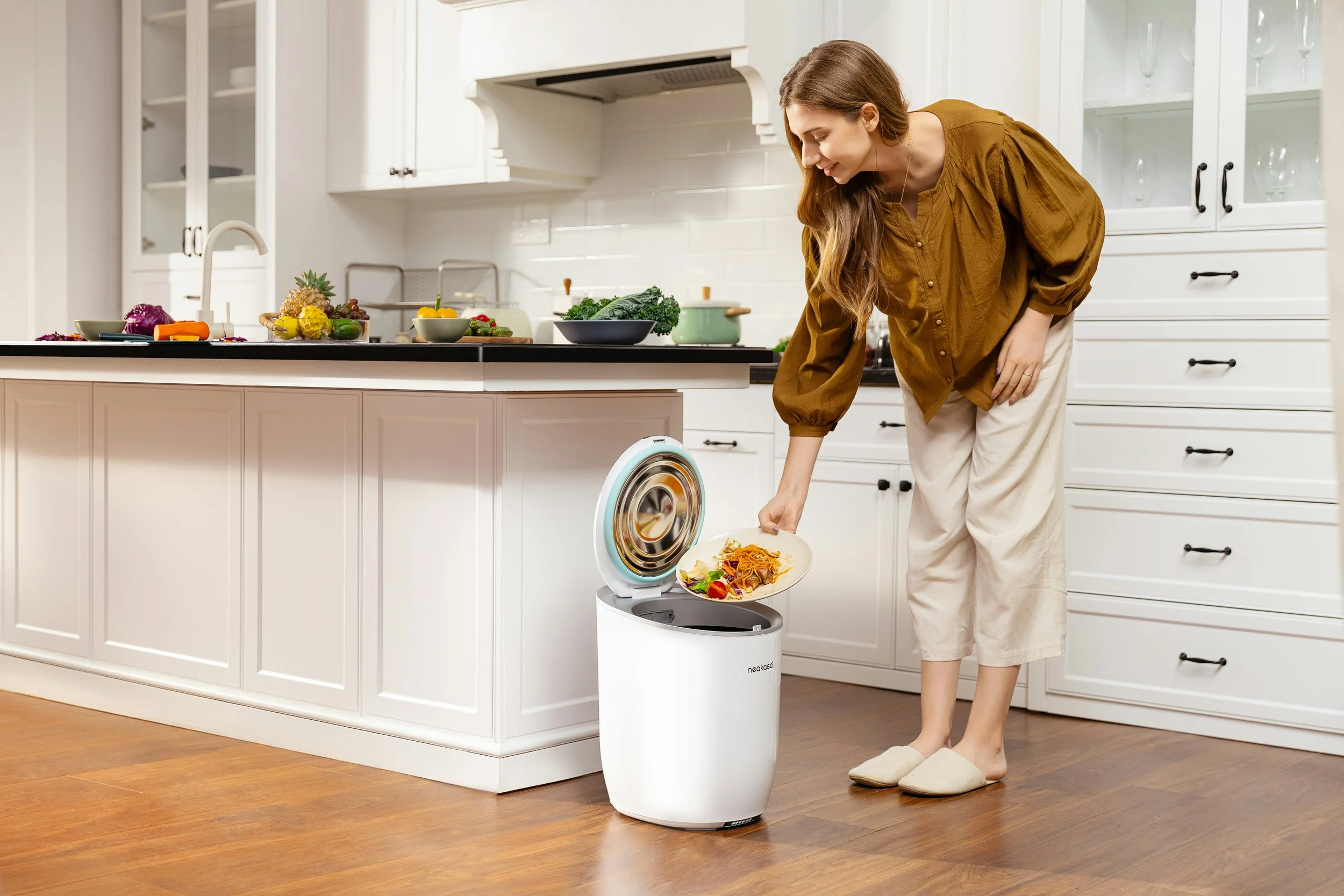
There are several ways to compost in small spaces. One common method is using a sealed countertop bin that collects scraps until they can be processed. Another method is vermicomposting, which uses worms to break down organic material in a compact container. There are also compact electric composters that speed up the process, though they require power and produce a more processed end material rather than traditional compost.
Each method has its own benefits depending on space and lifestyle. Countertop systems are simple and low maintenance, while worm bins produce highly nutrient rich compost more quickly. Electric systems are convenient but less interactive. All of them, however, allow people without outdoor space to participate in sustainable practices in a meaningful way.
One of the most important things to remember is balance. Compost needs a mix of green materials like food scraps and brown materials like paper, cardboard, or dried leaves. Without this balance, the process can slow down or develop odor issues. Too much green material creates excess moisture and smell, while too much brown material slows decomposition. When balanced correctly, the system stays active and efficient.
A simple way to think about it is that greens feed the microorganisms and browns keep everything structured and airy.
Here is a simple step by step process for starting compost in a small space:
Choose your container
Use a sealed countertop bin, a small lidded bucket, or a dedicated worm bin depending on your space.Add a base layer of brown material
Start with shredded paper, cardboard, or dried leaves to create airflow at the bottom.Add food scraps gradually
Include fruit peels, vegetable scraps, coffee grounds, and eggshells in small amounts.Maintain the green to brown balance
Aim to add roughly equal parts green and brown materials over time to keep the system stable.Mix or turn the compost if possible
If your system allows it, gently mix every few days to help oxygen reach the materials.Keep it slightly moist but not wet
The texture should feel like a wrung out sponge, not soggy or dry.Wait for transformation
Over several weeks to a few months, the materials will break down into dark soil like compost ready for use.
In a place like Greenhaus, composting connects directly to the relationship between coffee and plants. Coffee grounds from daily brewing can easily become part of a compost system. This creates a natural cycle where waste becomes nourishment for new growth, closing the loop between daily routine and plant care.
Starting small is the best approach. Even a simple container in a kitchen can begin the process. Over time, composting becomes less of a task and more of a habit that fits into everyday life without much effort.
The idea behind composting is simple but powerful. What we throw away does not have to be waste. It can be the beginning of something new.
With love,
The Greenhaus Team
