
The love of keeping plants indoors is far from a modern invention…
Ancient Egyptians placed palm trees and papyrus plants inside their homes and courtyards as symbols of triumph, rebirth, and eternal life. These plants were not just ornamental but carried deep spiritual significance. The act of surrounding oneself with greenery was a statement of wealth, power, and refined taste. Decorative pots were sometimes etched with hieroglyphs or gold accents, adding another layer of meaning to these green companions.
In ancient Rome, wealthy citizens often displayed laurel, bay, and myrtle trees inside their villas and gardens. These plants were associated with victory, wisdom, and prosperity. Laurel wreaths were used to crown successful generals and poets, and having the tree nearby was seen as a mark of personal achievement. Indoor gardening was not only practical for herbs and small fruit trees but also enhanced the beauty and fragrance of Roman living spaces. Pliny the Elder wrote extensively about horticulture in his natural history texts, reflecting just how valued plants were in daily Roman life.
In China during the Tang Dynasty, potted plants were deeply prized for their elegance and their ability to harmonize energy within the home. Small trees and flowering plants were chosen carefully to balance yin and yang and align with the five elements of traditional Chinese philosophy. This tradition helped influence the development of bonsai in Japan, where the art of cultivating miniature trees indoors evolved into a meditative and aesthetic practice. The care and patience required to shape these living sculptures reflected a person’s character and discipline.
When the Renaissance arrived in Europe, plant collecting surged in popularity. As exploration and trade expanded, so did access to exotic flora. Scholars and aristocrats filled their homes and estates with rare specimens from Asia, Africa, and the Americas. These plants were not only beautiful but also served as scientific curiosities. Orangeries became popular architectural additions to estates, designed specifically to protect delicate citrus trees and tropical plants during cold seasons. A household filled with rare or foreign plants was a mark of education, travel, and sophistication.
“Gardens are not made by singing 'Oh, how beautiful,' and sitting in the shade,” - Rudyard Kipling.
This rings especially true in the Victorian era, when indoor plant culture truly flourished. Ferns, palms, and trailing ivy adorned parlors and conservatories across England. The popularity of terrariums, or Wardian cases, allowed for easier transport and display of delicate species. These glass containers became status symbols in themselves and made it possible to grow tropical plants in colder climates.
The twentieth century brought shifts in aesthetic and purpose. By the 1970s, houseplants were booming again. The interiors of the decade were lush with spider plants, pothos, and ferns. Macrame hangers, rattan furniture, and jungle-like living rooms became symbols of the earthy counterculture and environmental awareness. Houseplants had become not just decoration but a way to connect with nature in the middle of urban life.
This resurgence has found new energy in the digital age. Instagram, TikTok, and YouTube are filled with creators sharing watering routines, repotting tutorials, and lush apartment tours. The Monstera deliciosa, with its dramatic split leaves, and the sculptural fiddle leaf fig have become icons of stylish living. Plants now reflect more than aesthetic; they speak to wellness, mental health, and sustainability. Many plant lovers speak of the calming ritual that comes with caring for greenery. Some even name their plants or celebrate new leaves as milestones.
“To plant a garden is to believe in tomorrow,” said Audrey Hepburn.
It seems that no matter the century, culture, or continent, the act of bringing nature indoors is a timeless celebration of life. From spiritual symbolism to scientific curiosity, from victory laurels to viral vines, the indoor plant has never truly gone out of style. It continues to grow alongside us, quietly offering beauty, purpose, and a little bit of green hope in every room it touches.
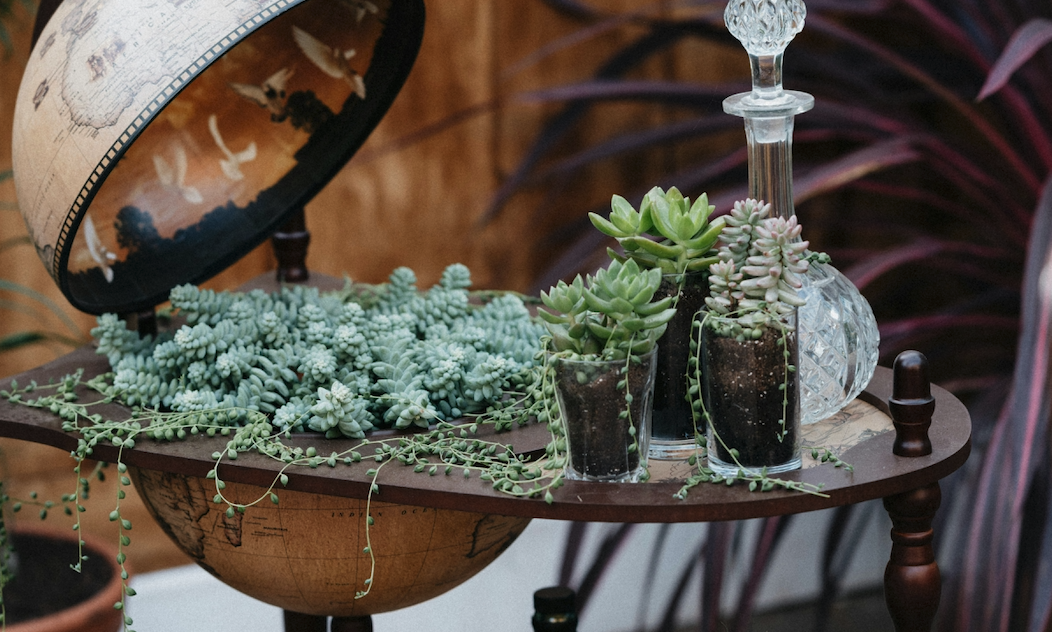
Photo by Annie Spratt on Unsplash
Happy Planting! :)
- Zoé & The Greenhaus Team
