
How Invasive Plant Species Affect the Everglades & What you Can Do to help
The Everglades is one of the most complex ecosystems in the world, often described as a slow moving river of grass. But this delicate system is under constant pressure, and invasive plant species pose one of its greatest threats. These plants do more than simply grow where they do not belong. They alter water flow, reduce biodiversity, and weaken habitats that native wildlife rely on to survive.
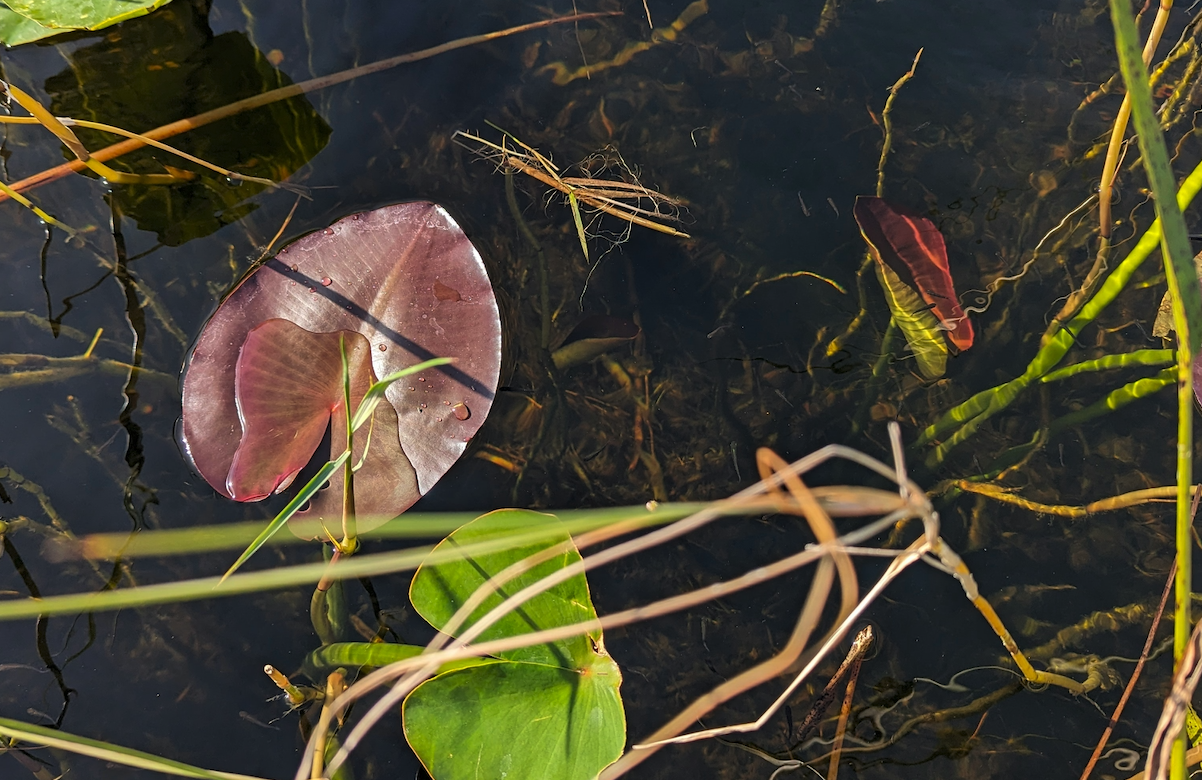
Photo by David Magalhães on Unsplash
Florida’s warm climate and abundant rainfall allow many non native plants to grow aggressively. Without natural predators or controls, invasive species spread quickly and take over large areas, reshaping the landscape in ways that are difficult to reverse.
The Biggest Invasive Threats to the Everglades
Some invasive plants have become especially destructive in South Florida.
Melaleuca, originally brought in for landscaping and drainage, now covers hundreds of thousands of acres across the Everglades. Its dense growth dries out wetlands and increases wildfire risk.
Brazilian pepper forms thick canopies that prevent native plants from growing underneath. Once established, it is extremely difficult to remove and quickly takes over natural areas.
Air potato spreads through fast growing vines that smother trees and native vegetation, cutting off sunlight and weakening entire ecosystems.
Water management also plays a major role in the spread of invasive species. Large scale water releases from Lake Okeechobee send nutrient rich freshwater into estuaries and wetlands that were not designed to handle such volume or timing. These releases fuel invasive plant growth and algae blooms while stressing native species adapted to historic flow patterns.
Excess nutrients act like fertilizer for invasive plants, allowing them to grow faster and spread farther than native vegetation. This imbalance makes restoration efforts more difficult and expensive.
Together, invasive plants are responsible for altering vast portions of the Everglades, replacing diverse native habitats with monocultures. When invasive plants dominate an area, wildlife suffers. Native insects, birds, and mammals depend on specific plants for food and shelter. When those plants disappear, animals are forced to relocate or decline in number. Invasive plants also affect water movement throughout the Everglades. Changes in water flow disrupt breeding cycles for fish and amphibians and reduce the ecosystem’s ability to filter and clean water naturally.
Studies estimate that invasive species cost Florida more than one hundred million dollars annually in management efforts and environmental damage.
The strength of the Everglades lies in its diversity. A wide range of plants supports a wide range of wildlife, creating a system that can adapt to floods, droughts, and storms.
As native plants disappear, the ecosystem becomes less resilient. Invasive dominated landscapes are more vulnerable to climate change, extreme weather, and long term degradation. Biodiversity loss does not happen in isolation. It affects the entire system, from water quality to wildlife populations.
What Homeowners Can Do to Help
Protecting the Everglades is not just the responsibility of scientists or conservation groups. Homeowners play a meaningful role in preventing the spread of invasive species.
Simple actions make a real difference:
AVOID planting known invasive species
CHOOSE native or Florida friendly plants for yards and landscapes
NEVER dump yard waste or unwanted plants into natural areas or waterways
Even houseplants should be disposed of responsibly. Plants that thrive indoors can become invasive if released outdoors in Florida’s climate.
Supporting nurseries that prioritize native and Florida friendly plants helps reduce demand for invasive species. These plants are better adapted to local conditions, require less water and maintenance, and provide essential habitat for wildlife.
As many environmental advocates say, “Small choices add up to big change.”
In addition to melaleuca, Brazilian pepper, and air potato, there are many other plants that homeowners in Florida should avoid planting. Some of these species were once popular ornamentals and are still commonly sold or shared without realizing their impact.
Below is a non exhaustive list of invasive or highly problematic plants in Florida landscapes:
Australian pine
Chinese tallow tree
Old world climbing fern
Japanese climbing fern
Cogongrass
Water hyacinth
Hydrilla
Tropical soda apple
Skunk vine
Mimosa tree
Carrotwood
Earleaf acacia
Rosary pea
Bishop wood
Elephant ear taro varieties grown outdoors
Nandina also known as heavenly bamboo
Many of these plants spread through wind, water, or dumped yard waste, making them especially dangerous near canals, wetlands, and natural preserves. Once established, they are difficult and costly to remove.
Protecting the Everglades Starts at Home
The Everglades is not a distant wilderness separate from daily life in Southwest Florida. It is deeply connected to our neighborhoods, waterways, and backyards.
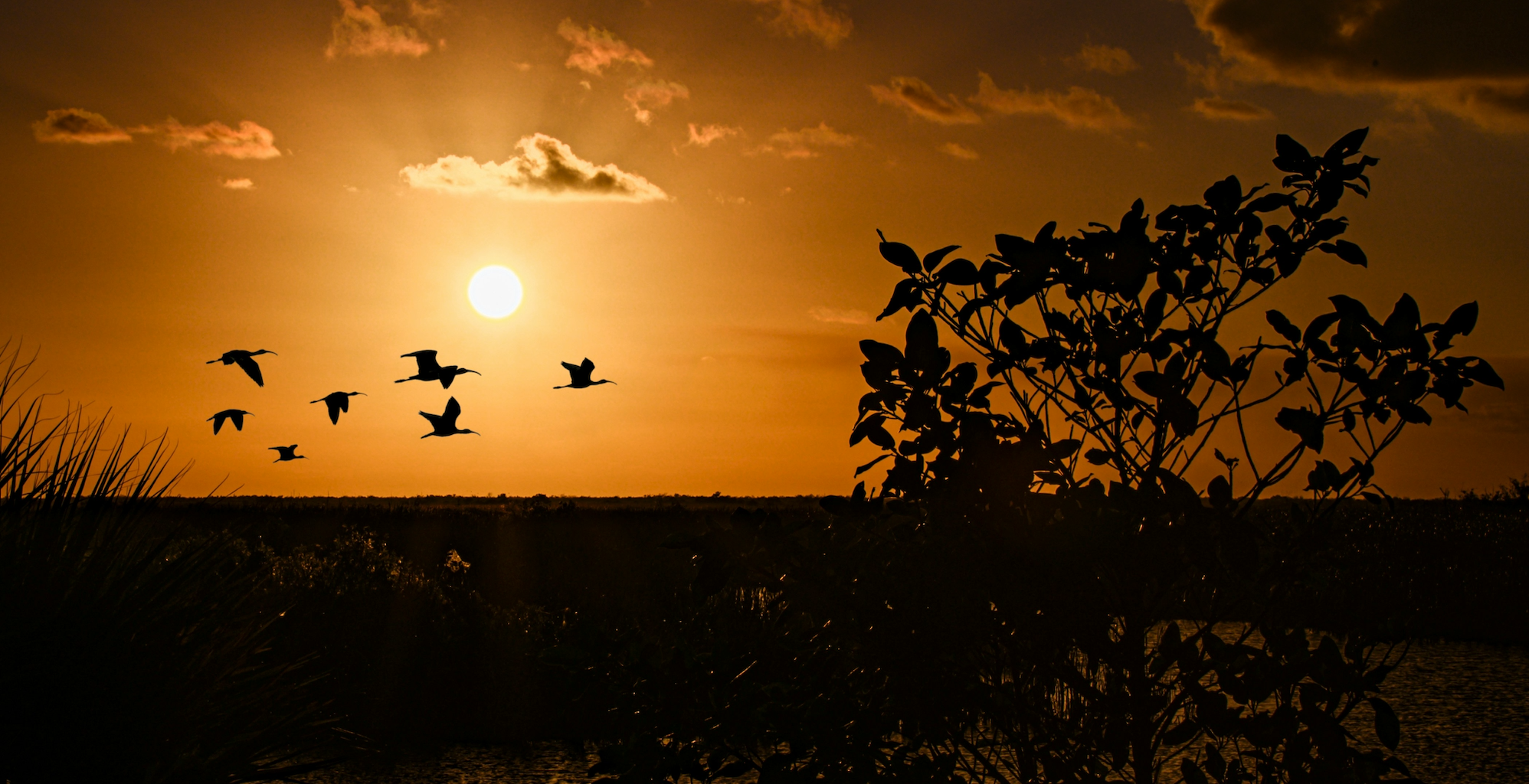
Photo by Richard Sagredo on Unsplash
Thoughtful planting decisions help preserve the landscape that defines South Florida. When homeowners choose native plants and avoid invasive species, they help protect one of the most extraordinary ecosystems in the world.
The more you know. . .
- The Greenhaus Team
