
Low Maintenance Plants for Busy Lifestyles
Not everyone has the time to check soil moisture every morning or rotate plants for perfect light throughout the day. The good news is that you do not need to. Some plants are naturally built to thrive with very little attention, which makes them perfect for busy schedules and slower routines alike.
There is a common misconception that being good with plants requires constant effort. In reality, it often requires the opposite. Many of the most popular houseplants today succeed because they are forgiving. They tolerate missed waterings, inconsistent light, and the occasional moment of neglect.
Resources like How Not to Kill Your Houseplant emphasize that success with plants starts with choosing the right ones. When you match your lifestyle to your plant instead of forcing yourself to match the plant, everything becomes easier.
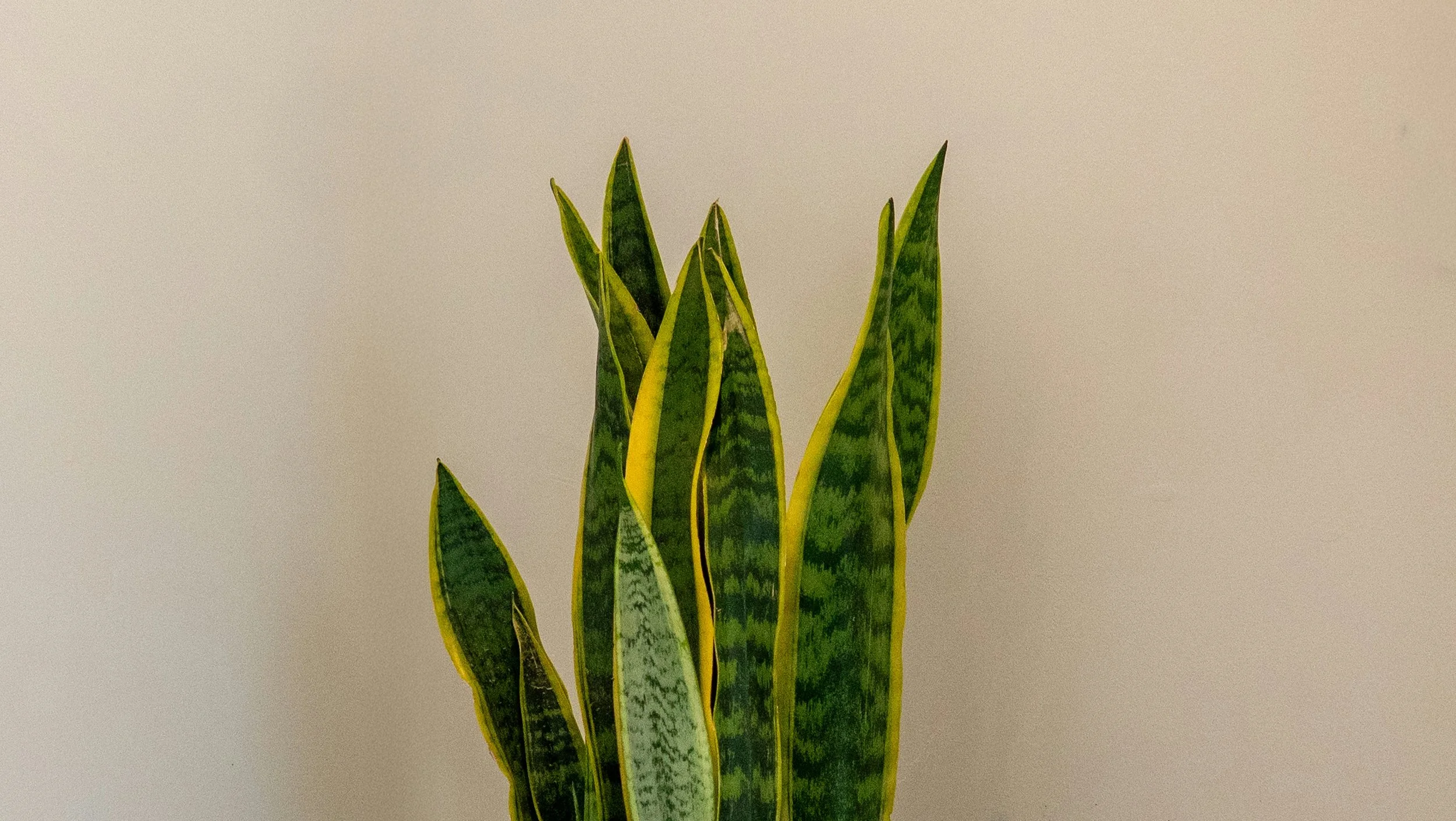
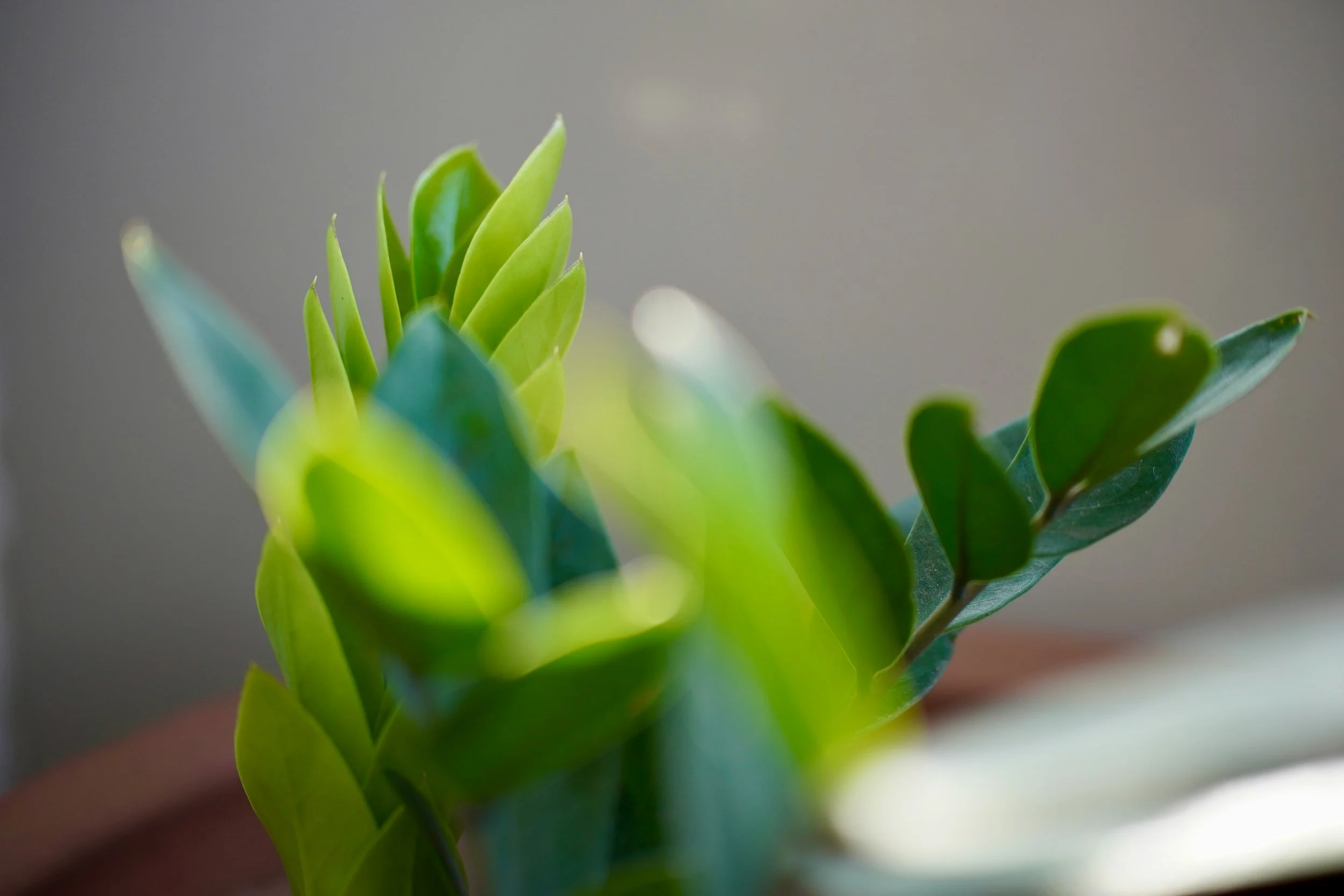
Take the snake plant, for example. It can go weeks without water and still maintain its structure and color. Pothos is another favorite, known for trailing vines that grow quickly even in lower light conditions. The ZZ plant is equally resilient, storing water in its roots and adapting to a wide range of indoor environments.
The spider plant is a classic for a reason. It adapts easily to different lighting conditions and gives clear signals when it needs care, like slightly drooping leaves. It also produces small offshoots, or “babies,” which makes it rewarding without requiring extra effort.
The cast iron plant lives up to its name. It tolerates low light, irregular watering, and even less-than-ideal air quality. If there is a plant that truly thrives on being left alone, this is it.
For those who like a bit of structure, succulents such as echeveria or haworthia store water in their leaves, allowing them to go long stretches between waterings. They prefer bright light but are otherwise very hands-off.
Even herbs like rosemary or mint can be surprisingly resilient indoors if placed in a sunny window. They may require a bit more light, but they forgive occasional lapses in care and offer the added benefit of being useful.
These plants do not demand attention. They adapt.
In a place like Naples, where natural light is abundant but indoor conditions can still vary, these types of plants are especially useful. They handle bright indirect light well and do not require constant adjustment. Even if you move them from room to room or forget them for a few days, they continue to grow without much complaint.
There is also something freeing about low maintenance plants. They remove the pressure of perfection. Instead of worrying about doing everything right, you can simply enjoy having greenery in your space.
That shift changes the entire experience.
If you are just getting started, begin with one plant that is known to be forgiving. Place it somewhere you will see it often. Water it when needed (do a quick google search). Pay attention to how it responds.
Over time, you will start to notice patterns. Confidence builds naturally.
You might even find yourself expanding slowly adding more and more… a pothos to a shelf, a snake plant in a corner, or a small succulent on your desk. Not because you feel obligated, but because it feels great.
Plants are not meant to complicate your routine. They are meant to enhance it.
And sometimes, the easiest plants are the ones that make the biggest difference.
With Love,
The Greenhaus Team
