
Native Plants You Didn’t Know You Loved
When people picture a lush Florida landscape, they often imagine tropical plants from far away places. Bright colors, oversized leaves, and exotic shapes tend to define what many think of as a “Florida look.” But the truth is, some of the most beautiful, resilient, and important plants in Southwest Florida have been here all along.
Native plants are the quiet foundation of our local environment.
Organizations like the Florida Native Plant Society continue to emphasize how important it is to incorporate native species into our landscapes. These plants have evolved alongside local wildlife, weather patterns, and soil conditions, which means they require less water, less maintenance, and fewer external inputs to thrive.
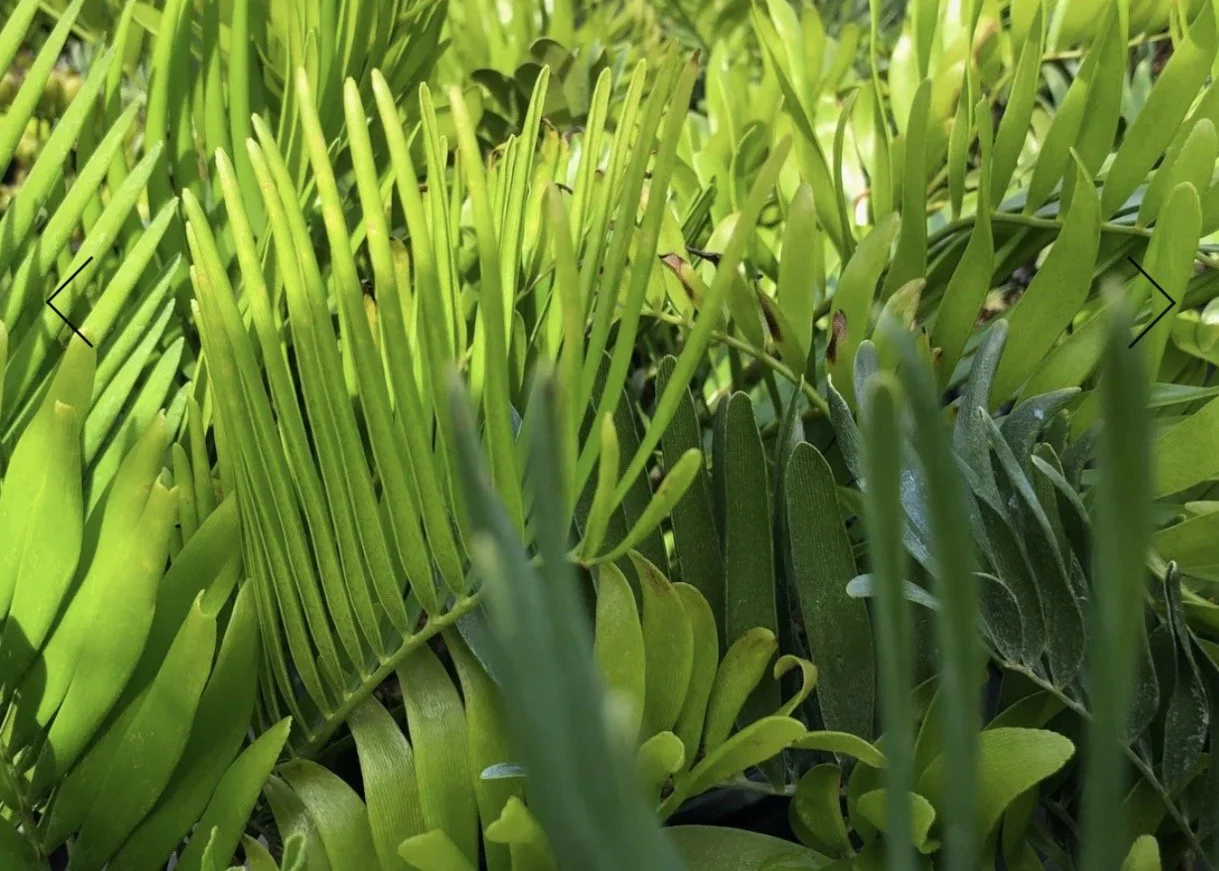
Take the coontie, for example. At first glance, it may seem like a simple, low growing plant. But it carries a long history as one of Florida’s only native cycads and plays a critical role as a host plant for the atala butterfly. Without coontie, that butterfly would struggle to survive.
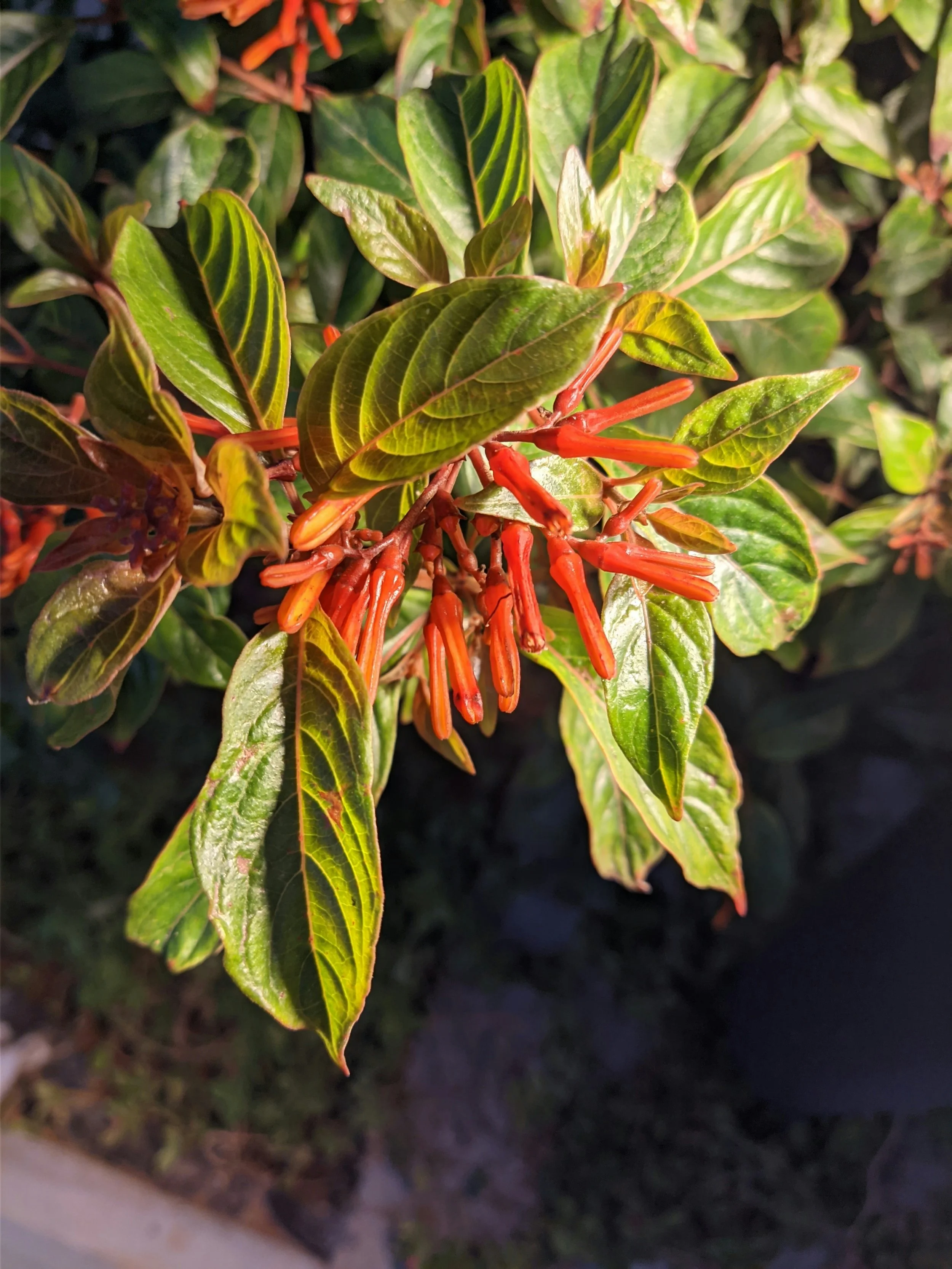
Then there is firebush, a plant that seems almost designed for Southwest Florida. With its bright red and orange blooms, it attracts hummingbirds and butterflies while handling heat and humidity with ease. It does not just survive here. It belongs here.
Florida Keys Thoroughwort is easy to overlook most of the year, but that changes the moment it blooms. It softens into a haze of white flowers right when many landscapes are starting to feel tired, which makes it especially valuable for extending seasonal interest. Designers often use it in naturalistic and pollinator focused plantings where that late season lift really matters.
Golden Creeper has a quiet way of solving problems in coastal and sandy sites. It stays low and controlled, making it useful as a groundcover along walkways or in places where turf struggles. You will often see it in coastal landscapes and restoration projects because it handles salt and drought while still looking intentional.
Scorpion Tail brings an unexpected shape into the garden with its curling flower spikes. It blooms frequently and draws a steady stream of butterflies, which makes it a strong choice for pollinator gardens that need consistency rather than short bursts of color. It is often tucked into informal plantings where its unusual form can stand out without feeling out of place.
Tough Bully is less about show and more about structure and reliability. Its dense evergreen form makes it useful for hedges, screens, or filling in difficult dry areas where other shrubs struggle. In larger native landscapes, it is often used as a backbone plant that holds everything together year round.
Partridge Pea adds a lighter, more relaxed feel with its fine foliage and bright yellow flowers. Beyond its appearance, it improves soil by fixing nitrogen, which makes it a smart addition to new or disturbed sites. You will often find it included in meadow style plantings and roadside restorations for exactly that reason.
Wild Lantana shows how a familiar plant can feel completely different when it is the native version. It has a softer, more natural shape and produces berries that support birds without becoming invasive. Landscape designers use it as a substitute for non native lantana in wildlife friendly gardens where balance matters.
Corkystem Passionflower does not demand attention, but it earns its place over time. It works well as a groundcover or light climber in tougher spots, and more importantly it serves as a host plant for butterflies. It is often included in habitat focused landscapes where supporting the full life cycle of pollinators is the goal.
Walter’s Groundcherry has a slightly wild character that rewards a closer look. Its small lantern like husks add detail and curiosity, and the plant can even produce edible fruit. It shows up in edible landscapes and informal garden designs where a mix of function and personality is part of the appeal.
Bushy Bluestem is one of those grasses that shifts how a space feels without overwhelming it. Its golden plumes catch the light in late season and add movement, while its deep roots help with soil stability and water management. It is frequently used in large scale native plantings and stormwater projects for both beauty and function.
Rattlesnake Master brings a bold texture that feels almost unexpected but works surprisingly well. Its unique form attracts a wide range of pollinators, making it one of those plants that is always busy with activity. You will often see it featured in designed native gardens where a strong architectural element is needed to break up softer plantings.
Local experts working with the University of Florida IFAS Extension often point out that native plants are not just easier to grow. They are smarter choices for long term sustainability. They reduce the need for irrigation and fertilizers, which in turn helps protect local waterways.
That connection is important in coastal communities like Naples, where runoff can directly impact delicate ecosystems.
There is also a shift happening in how people view native plants. For a long time, they were seen as less polished or less decorative compared to imported species. But that perception is changing. Designers and homeowners are beginning to recognize the natural beauty and structure that native plants bring to a space.
A well designed native garden does not feel wild or unstructured. It feels intentional, balanced, and deeply connected to its surroundings.
One interesting fact is that native plants can support significantly more pollinators than non native species. In some cases, they provide up to four times the ecological benefit. That means more butterflies, more bees, and a healthier environment overall.
In neighborhoods across Naples and even into Marco Island and Fort Myers, you can start to see this shift taking shape. More homes are incorporating native landscaping. More public spaces are using plants that reflect the natural character of the region.
For Greenhaus, this idea aligns perfectly with the atmosphere we want to create. A space filled with plants that feel natural, effortless, and hopefully an outdoor space that highlights native species. It is about working with the environment instead of against it.
If you are new to native plants, the best way to start is simple. Choose one or two species that are known to thrive in your area. Observe how they grow. Notice how little they ask for compared to other plants.
Over time, those small choices begin to reshape your space.
Native plants may not always demand attention in the way exotic ones do. But once you understand their role, their resilience, and their quiet beauty, it becomes clear that they are not just part of the landscape.
With Love,
The Greenhaus Team
