
Native Plants of the Everglades
The Everglades is one of the most unique ecosystems in the world, shaped by slow moving water intense heat seasonal flooding and long cycles of drought and rain. This environment demands flexibility and endurance, and the plants that live here are not only specialized but essential. Each species is deeply connected to the survival of the region, forming a living system that depends on timing balance and cooperation.
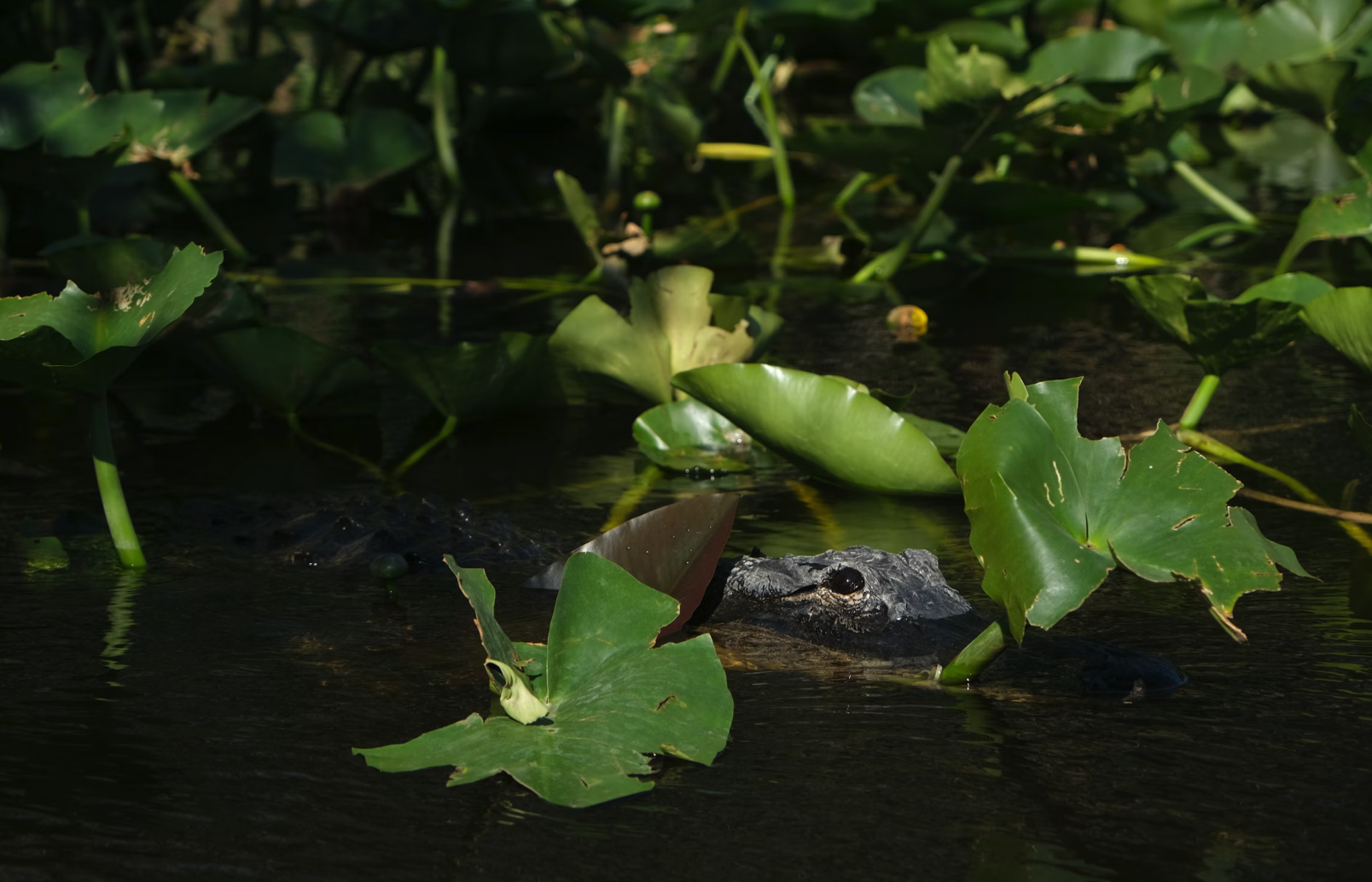
Photo by Nellie Adamyan on Unsplash
Sawgrass is perhaps the most iconic plant of the Everglades and the reason the area is often called a river of grass. Despite its name sawgrass is not actually a grass but a sedge with sharp edges that can easily slice skin. It forms vast open prairies that guide water southward at an almost unnoticeable pace. By slowing and directing water flow sawgrass helps prevent flooding in some areas while ensuring wetlands downstream receive the moisture they need. It also provides shelter for birds reptiles and small mammals making it a structural backbone of the ecosystem.
Bald cypress trees rise dramatically from flooded wetlands and are some of the oldest living organisms in the Everglades. These trees are uniquely adapted to standing water and can live for hundreds of years. Their swollen trunks and spreading roots help anchor them in soft soil while their famous cypress knees rise above the water to assist with oxygen exchange. Bald cypress forests provide nesting areas for birds shade for aquatic life and long term stability for wetland soils.
Mangroves dominate the coastal edges of the Everglades and serve as a vital link between land and sea. Red black and white mangroves each occupy specific zones based on water depth and salinity. Their tangled root systems protect shorelines from erosion storm surge and rising tides while also acting as nurseries for fish crabs and shrimp. Many marine species spend their early lives sheltered among mangrove roots before moving into open water. Without mangroves coastal ecosystems would collapse quickly.
Buttonwood is often found along slightly higher ground where freshwater and saltwater environments overlap. This plant acts as a transition species helping stabilize soil and prevent erosion in sensitive areas. Buttonwood trees and shrubs provide food and shelter for birds insects and small animals. Their presence helps define boundaries between wetland zones and supports biodiversity by creating varied habitat conditions.
Pickerelweed adds color and life to freshwater marshes with its bright purple flowers and broad green leaves. This plant thrives in shallow water and is especially important for pollinators such as bees and butterflies. Pickerelweed also improves water quality by absorbing excess nutrients and slowing water movement which allows sediment to settle. It is a quiet but powerful contributor to clean healthy wetlands.
Duck potato also known as arrowhead is another freshwater plant that plays a major role in Everglades ecology. Its starchy underground tubers are a critical food source for birds mammals and historically for Indigenous communities. Duck potato helps anchor soil in shallow water and provides cover for fish and amphibians. It is a reminder that many Everglades plants support both wildlife and human history.
The Everglades is often described as a river of grass because plants shape every aspect of how the system works. Water flow soil structure wildlife movement and nutrient cycles all depend on native vegetation. Without these plants the Everglades would not function as an ecosystem at all.
Studying Everglades plants teaches lessons in resilience and adaptation. These species survive flooding drought heat and storms by working with natural cycles instead of resisting them. They bend pause wait and respond exactly when conditions allow.
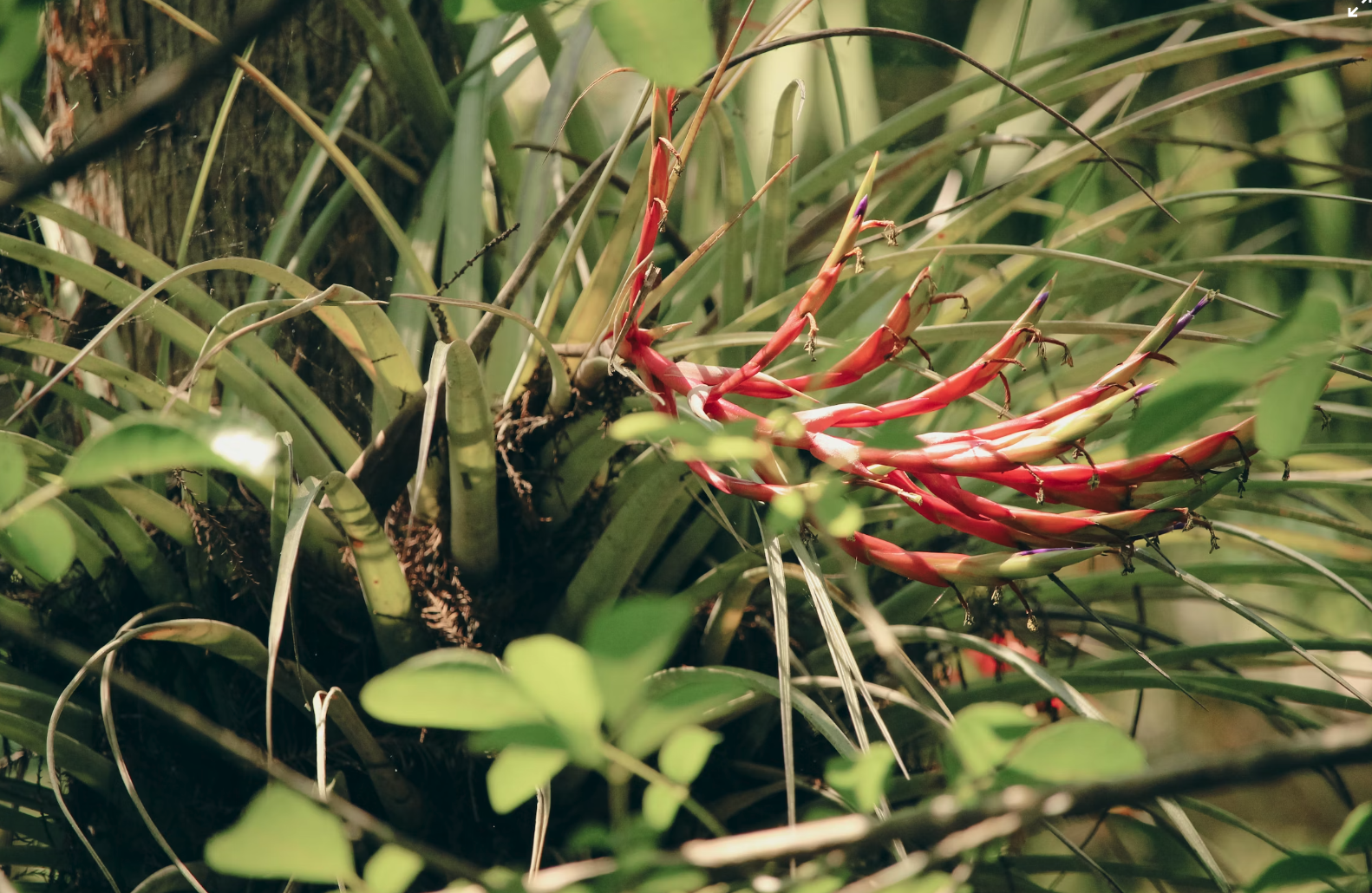
Photo by Blue Hound on Unsplash
They remind us that plants are not just background scenery. They are engineers protectors and problem solvers. And honestly if sawgrass can survive Florida summers with zero complaints the rest of us should probably stop whining.
protect the everglades
- The Greenhaus Team
