
Plants That Changed Architecture
When we think of architecture, we usually picture steel, concrete, and glass. But plants have been shaping the way humans build for centuries, and not just as decoration. From ancient temples to futuristic skyscrapers, greenery has influenced design in ways that are both practical and beautiful. Some plants are so deeply woven into architecture that entire cities have been shaped around them.
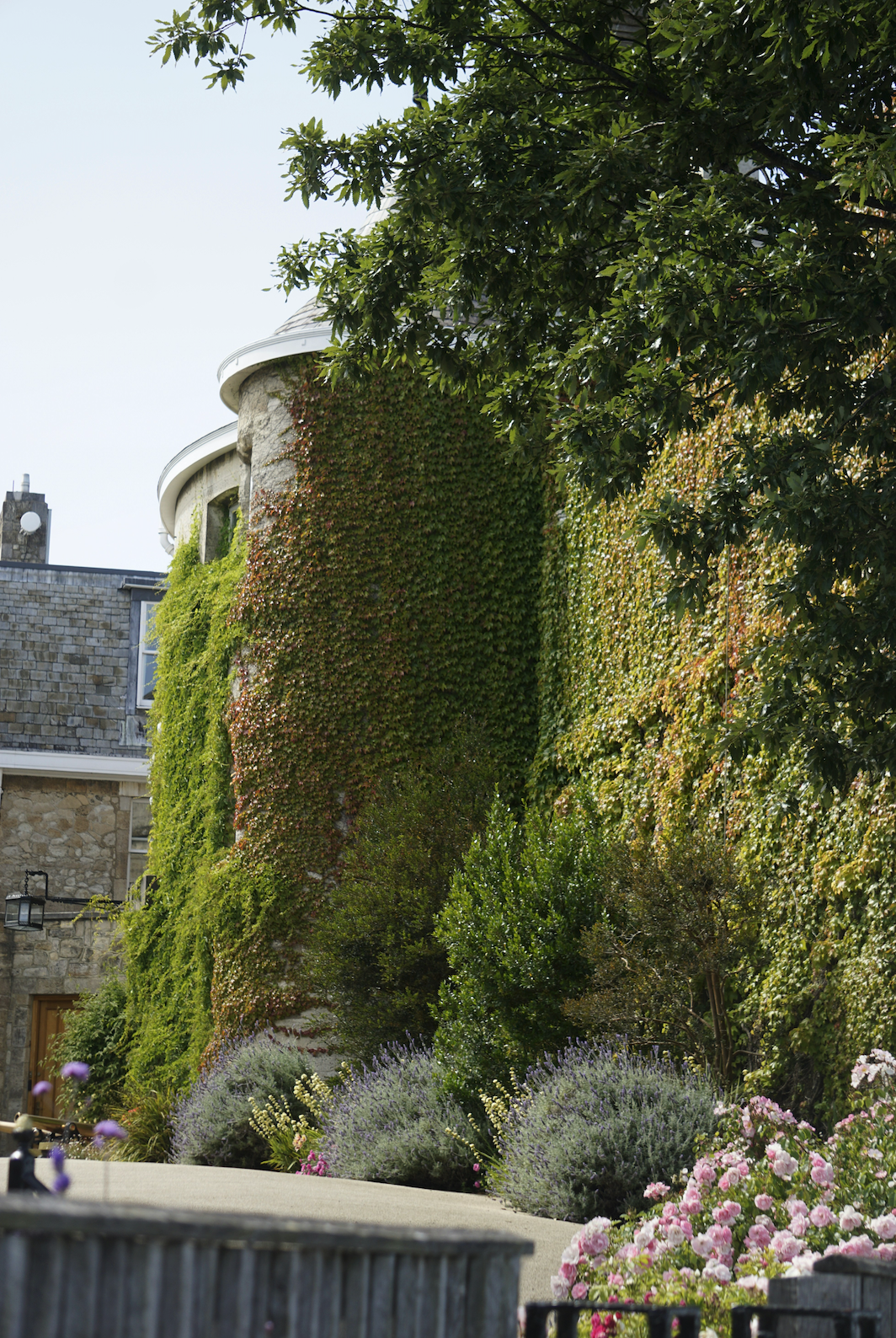
Photo by Elin Wahlqvist on Unsplash
Take bamboo for example. In parts of Asia, bamboo has been used for centuries as scaffolding, roofing, and even structural support. It grows incredibly fast and is surprisingly strong. Engineers say that bamboo can rival the tensile strength of steel, which is why it is still used today to build eco-friendly houses and pavilions. A famous architect, Simón Vélez, once described bamboo as “vegetable steel” and has built everything from bridges to cathedrals with it.
Palm trees have also been central to building traditions. In ancient Mesopotamia and Egypt, palm fronds were used to make roofs and walls, while palm trunks created sturdy frameworks. Fun fact: palm wood is still used today in certain island communities, and its fibrous texture helps houses withstand tropical storms better than rigid materials. As one historian put it, “The palm tree was not just a plant, it was a lifeline.”
Then there are plants that shape design more symbolically. Ivy-covered castles and university halls are iconic for a reason. In the 19th century, ivy was planted on stone buildings because people believed it symbolized knowledge, endurance, and tradition. That aesthetic has stuck around, making ivy-covered architecture a timeless image of prestige. Even modern architects lean into this romantic vibe by designing green walls that echo the charm of those old ivy-draped facades.
Living walls, or vertical gardens, are a direct evolution of this idea. The French botanist Patrick Blanc popularized them in the 1980s, and today you can find skyscrapers in cities like Singapore, Milan, and Paris covered in plants. These walls are not just pretty to look at. They regulate temperature, absorb pollution, and create habitats for birds and insects. In a world where urban areas are warming faster than rural ones, architects are literally bringing plants back into the city to keep it livable.
Trees themselves have also been part of architectural planning. In ancient Greece, olive groves were considered sacred and were often integrated into the layout of temples and public spaces. In Japan, cherry trees have been planted around shrines and castles for centuries, creating landscapes that are as much about architecture as they are about nature.
“One cannot admire a temple without admiring the trees around it.”
Modern architects are pushing this even further. Bosco Verticale in Milan is a pair of residential towers covered in over nine hundred trees, five thousand shrubs, and eleven thousand flowers. It is basically a vertical forest in the middle of the city, and it has inspired similar projects around the world. Residents say it feels like living in a treehouse high above the city streets.
Another fascinating example is the Chhatrapati Shivaji International Airport in Mumbai. Its terminal is designed with lotus-inspired columns, echoing India’s national flower. The lotus is not only a symbol of purity and resilience but also a clever natural form that distributes weight evenly. Here, architecture and botany meet in both function and meaning.
Of course, houseplants are part of this story too. The mid-century modern craze of the 1950s and 60s paired sleek furniture with towering fiddle leaf figs and snake plants, creating the kind of interiors we still see in magazines today. Plants soften sharp lines, add warmth to sterile spaces, and connect us back to the natural world, even in the middle of a concrete jungle.
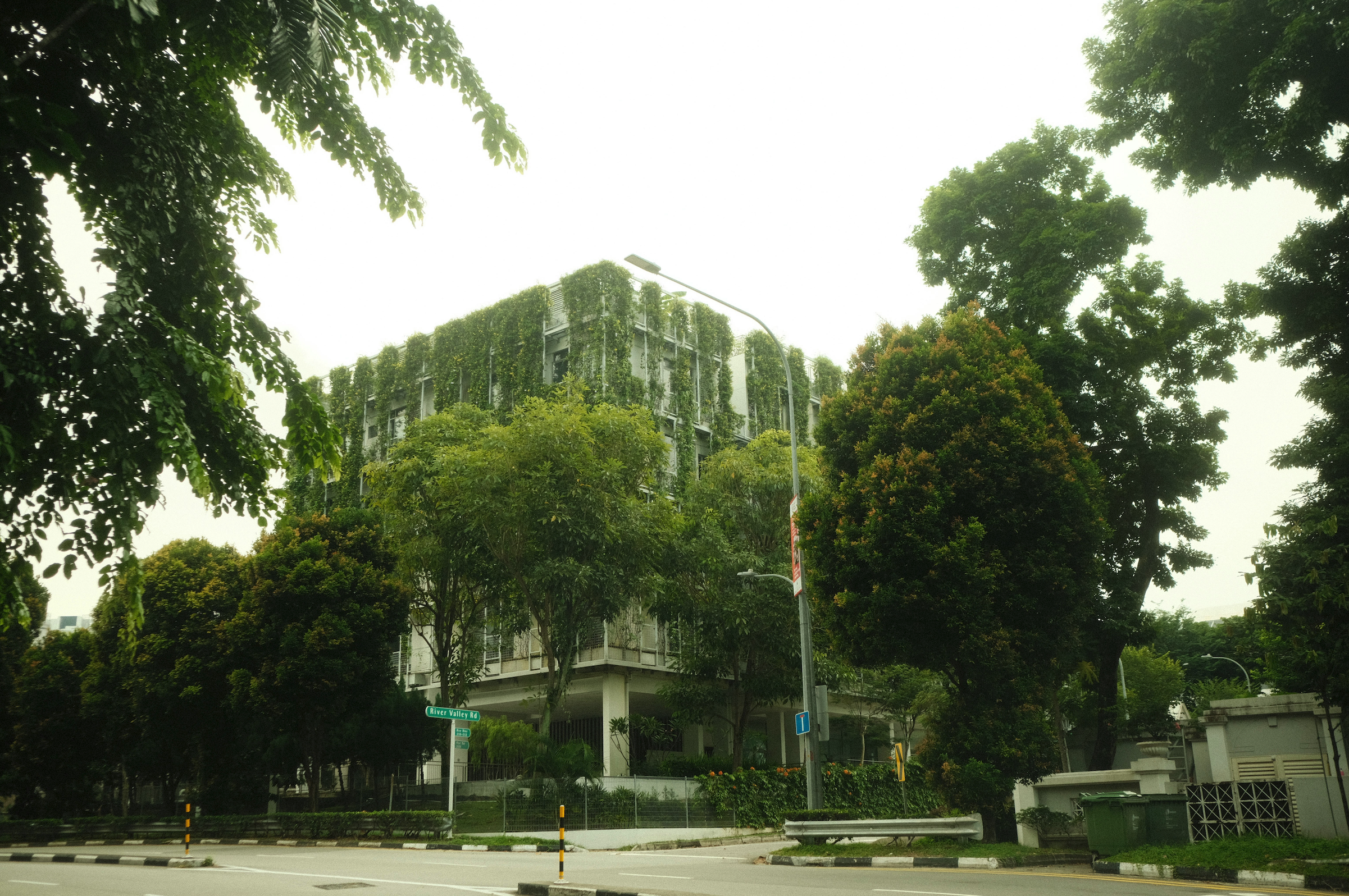
Photo by Anthony Lim on Unsplash
What all of this shows is that plants are not just accessories in architecture. They are collaborators. They inspire materials, shapes, and entire building philosophies. Whether it is a skyscraper covered in greenery or a humble bamboo hut, plants remind us that the built world is stronger, more beautiful, and more livable when we let nature in.
Food for thought
- Zoe & the Greenhaus Team
