
Seasonal Planting Guide for Southwest Florida
What grows, when to plant it, and how to make it part of your everyday rhythm…
There’s something grounding about growing things where you live. In Southwest Florida, planting is a year-round relationship with the climate, the soil, and the slow shift of seasons most people barely notice.
At Greenhaus, we think of planting the same way we think about coffee: intentional, seasonal, and meant to be part of your daily life.
Whether you’re working with a backyard, a few pots on a patio, or a sunny windowsill, here’s how to plant with the rhythm of Southwest Florida and what actually thrives here.
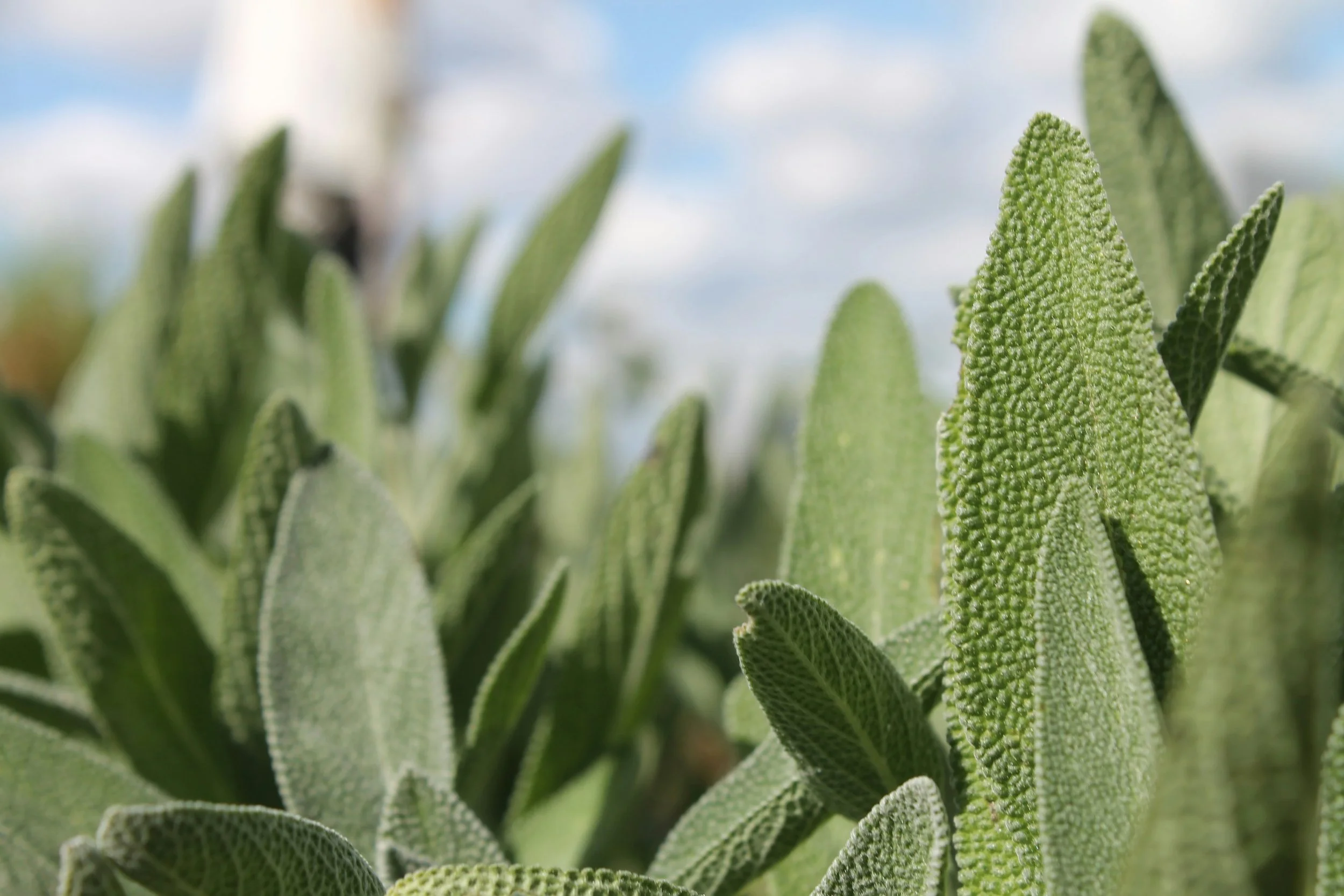
What grows, when to plant it, and how to make it part of your everyday rhythm…
There’s something grounding about growing things where you live. In Southwest Florida, planting is a year-round relationship with the climate, the soil, and the slow shift of seasons most people barely notice.
At Greenhaus, we think of planting the same way we think about coffee: intentional, seasonal, and meant to be part of your daily life.
Whether you’re working with a backyard, a few pots on a patio, or a sunny windowsill, here’s how to plant with the rhythm of Southwest Florida and what actually thrives here.
Winter (December–February)
The season of abundance…
This is Southwest Florida’s version of peak growing season. While most of the country is frozen over, this is when your garden should be at its fullest.
What to plant:
Leafy greens: romaine, butter lettuce, arugula, mustard greens
Herbs: cilantro, parsley, dill, fennel
Vegetables: carrots, beets, radishes, turnips
Brassicas: broccoli, cauliflower, cabbage, kale
Specific examples:
A shallow planter box with butter lettuce + arugula can be harvested continuously for weeks
French breakfast radishes are ready in about 25 days and thrive in cooler temps
Lacinato (dinosaur) kale holds up well and actually tastes sweeter in mild cold
Greenhaus tip:
Pair your morning coffee with a quick harvest. Winter gardens here reward consistency; when you pick often, and your plants keep producing.
Early Spring (March–April)
The transition into heat…
This is where things start to shift. Temperatures rise quickly, and timing matters more than ever.
What to plant:
Tomatoes (get them in early)
Peppers (bell, jalapeño, serrano)
Eggplant
Bush beans
Summer squash and zucchini
Specific examples:
Cherry tomatoes like ‘Sweet 100’ or ‘Sun Gold’ outperform larger varieties in Florida humidity
Cubanelle peppers handle heat better than traditional bell peppers
Black Beauty eggplant thrives with consistent watering and full sun
Greenhaus tip:
Think ahead. By late April, the heat starts stressing delicate plants. Mulch heavily and water in the early morning (not midday).
Late Spring to Summer (May–September)
Lean into what actually loves the heat…
This is where a lot of people give up on gardening, but they’re just planting the wrong things.
Instead of fighting the climate, grow what’s built for it.
What to plant:
Tropical vegetables: okra, sweet potatoes, malabar spinach
Heat-tolerant greens: Seminole pumpkin, amaranth, callaloo
Herbs: basil, lemongrass, Thai basil
Flowers: zinnias, cosmos, sunflowers
Specific examples:
Okra grows fast and thrives in heat—harvest pods when they’re 2–4 inches long
Malabar spinach isn’t true spinach, but it climbs, loves humidity, and produces all summer
Seminole pumpkin, native to Florida, sprawls and survives intense rain and pests better than most squash
Genovese basil will grow aggressively—prune often to prevent flowering
Greenhaus tip:
This is the season to shift your mindset. Think lush, wild, and low-maintenance. Your garden doesn’t need to look tidy to be thriving.
Fall (October–November)
Reset and replant…
Fall in Southwest Florida feels like a second spring. It’s your chance to start fresh.
What to plant:
Lettuce and leafy greens (again)
Herbs like cilantro and parsley
Root vegetables
Strawberries
Specific examples:
Strawberry plugs planted in October will fruit through winter
Arugula germinates in just a few days and grows fast in cooling temps
Beets like ‘Detroit Dark Red’ do especially well in sandy soil when amended
Greenhaus tip:
Refresh your soil now. Add compost, organic matter, or even used coffee grounds in moderation—they improve structure and microbial life.
Container Gardening (for patios, apartments, and small spaces)
Not everyone has a yard and that’s kind of the point. Plants don’t need much space, just the right conditions.
Reliable container combinations:
Herb trio: basil + thyme + oregano
Salad box: mixed greens + radishes
Tea garden: mint + lemongrass + chamomile
Pollinator pot: dwarf sunflower + zinnias
Pro tips:
Use pots with drainage (always)
Choose lighter-colored containers to reduce heat absorption
Water more frequently in summer—containers dry out fast
Native and Florida-Friendly Plants
If you want something lower effort and more sustainable, go native.
Strong local choices:
Firebush
Coontie (a host plant for butterflies)
Beautyberry
Muhly grass
These plants are adapted to Florida’s extreme heat, rain, and sandy soil and they also support it’s local ecosystems.
A Ritual
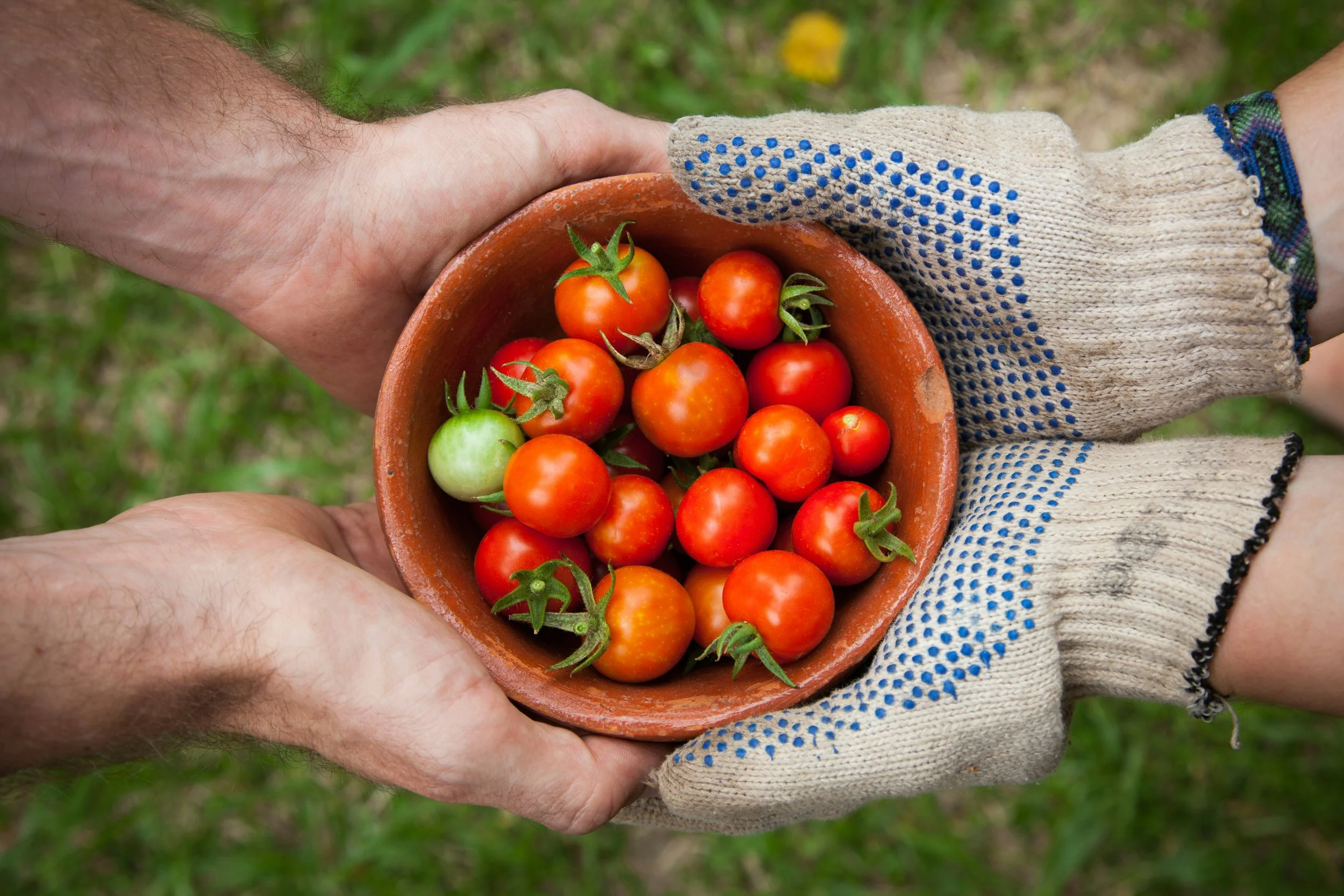
At Greenhaus, we don’t see planting as a separate hobby. It’s part of the same rhythm as brewing coffee in the morning or watering your plants before heading out.
It’s small, daily, and grounding.
You don’t need a perfect setup. You just need to start.
Because in Southwest Florida, there’s always something ready to grow.
With Love,
The Greenhaus Team
