
Sunlight Decoded What Your Plants Really Need
Understanding Light and How It Shapes Plant Health
Light is one of the most important factors in plant health, but it is also one of the most misunderstood. Many plant owners assume that all bright spaces are the same, but sunlight is constantly changing. It shifts in intensity, direction, and quality throughout the day, and plants respond to those differences in very specific ways.
Even a small change in placement can completely alter how a plant grows.
Light Is Not One Thing
The Royal Horticultural Society categorizes light into full sun, partial sun, and shade, but real environments rarely fit neatly into those labels. Light behaves more like a moving system than a fixed condition.
Morning light is softer and cooler. Midday light is intense and direct. Afternoon light often carries more heat and can be harsher depending on the season. Plants are constantly responding to these subtle changes, even if we do not notice them.
Full Sun and Its Double Edge
Full sun typically means at least six hours of direct sunlight each day. This is ideal for many outdoor plants, especially those adapted to hot and open environments.
However, inside a home, full sun through a window can behave differently. Glass intensifies heat and can create a magnifying effect, sometimes leading to leaf scorch or fading. A plant that thrives outdoors in full sun may struggle indoors if it is too close to the glass.
One common mistake is assuming that a bright window is always safe. In reality, intensity matters just as much as duration.
Partial Sunlight Is the Most Flexible Zone
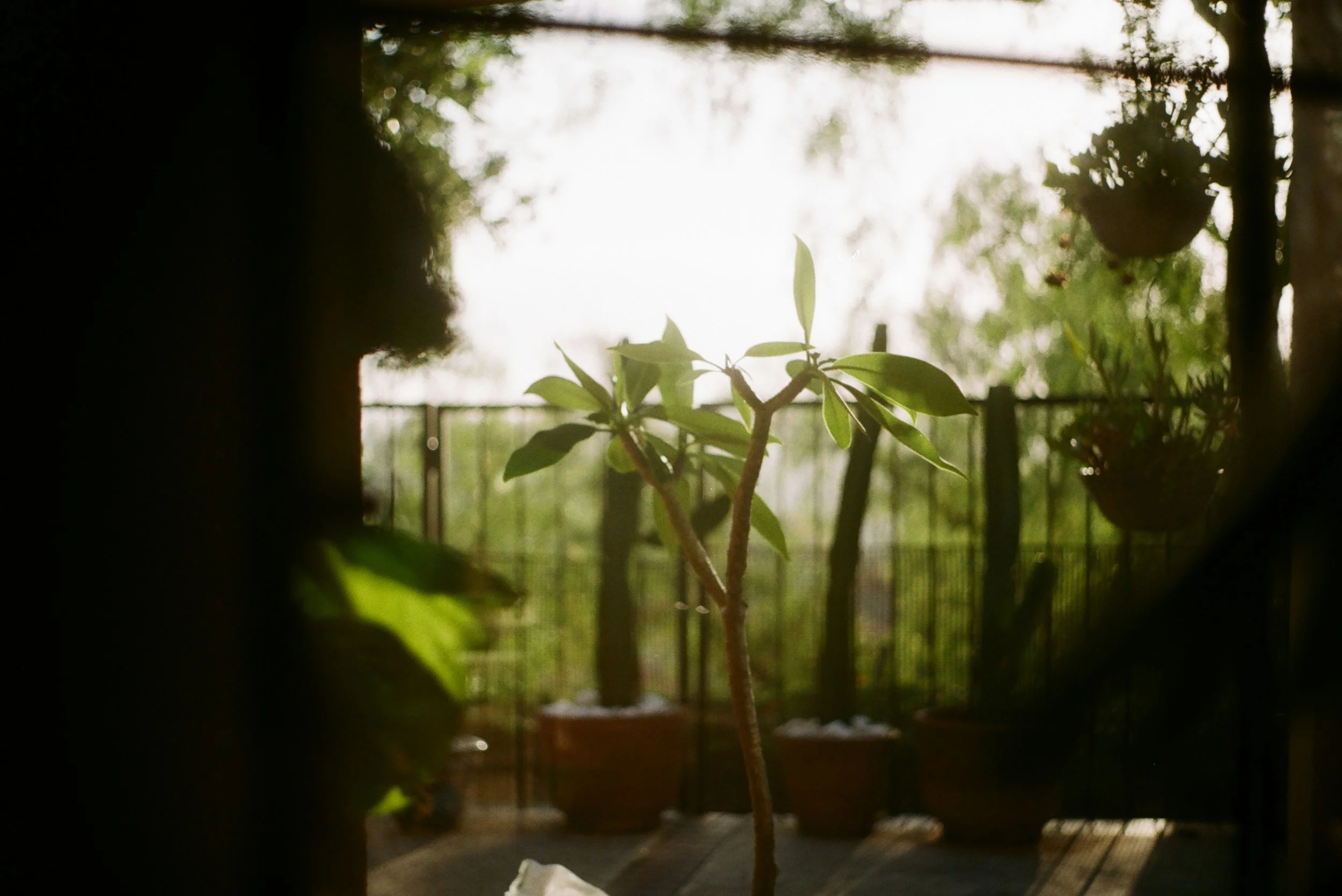
Partial sunlight is often the most forgiving category for houseplants. It usually refers to bright but indirect light that shifts throughout the day.
This is the light you find near windows that are not directly south facing, or slightly set back from a bright window. It is also the kind of light filtered through curtains, trees, or outdoor structures.
Many popular houseplants naturally prefer this balance because it allows them to photosynthesize without the stress of constant direct exposure.
In nature, this is often the light found under tree canopies where sunlight filters through leaves rather than hitting the ground directly.
Shade Still Means Light
Shade is often misunderstood as darkness, but that is not accurate. Shade simply means lower intensity light, not absence of light.
Even shaded areas can receive enough brightness for photosynthesis, especially with reflective surfaces or indirect daylight. Some plants are specifically adapted to these conditions and will actually become stressed if exposed to too much sun.
A plant growing in deep shade is still actively responding to its environment. It is simply operating at a different energy level.
A Real World Example From Southwest Florida
In places like Naples, natural light is abundant, but it is not consistent. Window direction, time of year, humidity, and surrounding buildings all influence how light behaves inside a space.
A plant placed in an east facing window may receive gentle morning light, while the same plant in a west facing window could experience intense afternoon heat. Even a few feet of distance from the glass can change everything.
This is why two identical plants in the same home can behave very differently.
A Simple Observation Method
One of the most effective ways to understand light in your space is to observe it over time. Watch how sunlight moves through your rooms during the day.
Notice where light lands in the morning, where it lingers in the afternoon, and where it fades first. These patterns are more useful than any label on a plant tag.
Over time, you begin to see your home less as a static environment and more as a shifting landscape of light.
Fun Fact: Plants Can Track Light Direction
Some plants naturally orient their leaves toward light sources through a process called phototropism. This allows them to maximize energy absorption even as light shifts throughout the day.
In simple terms, plants are constantly “turning toward the sun” in their own way.
When Light Is Right Everything Else Improves
When plants receive the right amount of light, everything becomes easier. Watering schedules become more predictable because growth stabilizes. Leaves develop stronger structure. Color becomes more vibrant.
Light is often the foundation that determines whether a plant struggles or thrives.
Many plant issues that look like watering or soil problems actually begin with incorrect light placement.
A Quiet Shift in Perspective
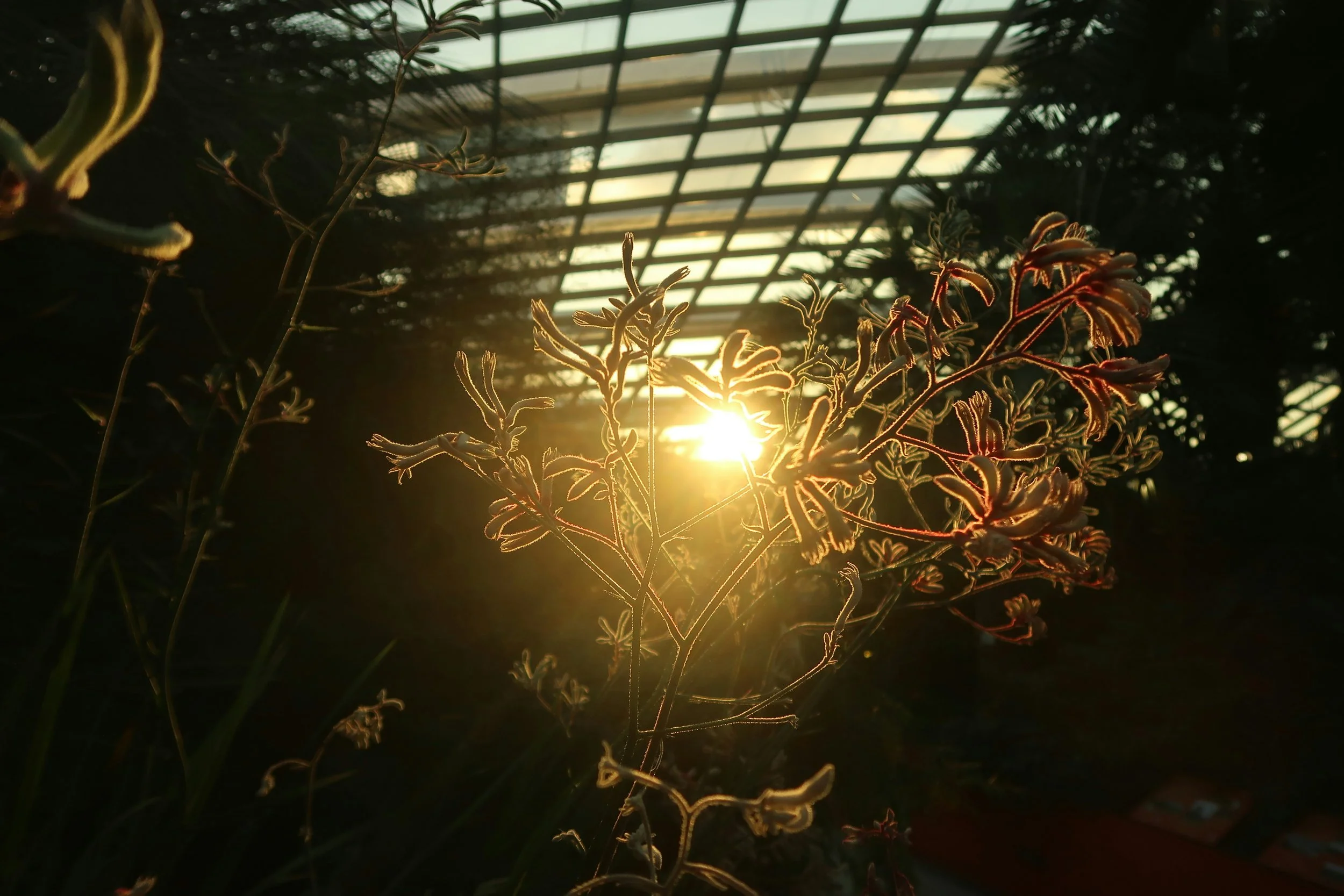
Understanding light changes how you see plants in general. Instead of guessing what went wrong, you begin to notice what is working.A plant is not just surviving or failing. It is responding to a specific environment.And once you start to see light this way, plant care becomes less about correction and more about alignment.
With love,
The Greenhaus Team
