
The Secret Language of Plants
Plants may not speak in ways we can hear, but that does not mean they are silent. In fact, beneath the surface, there is a constant exchange of information happening between roots, soil, microbes, and surrounding life. It is a system so complex that science is only beginning to understand its full depth.
What we once thought of as still and passive life is turning out to be something far more dynamic…

The Underground Network We Cannot See
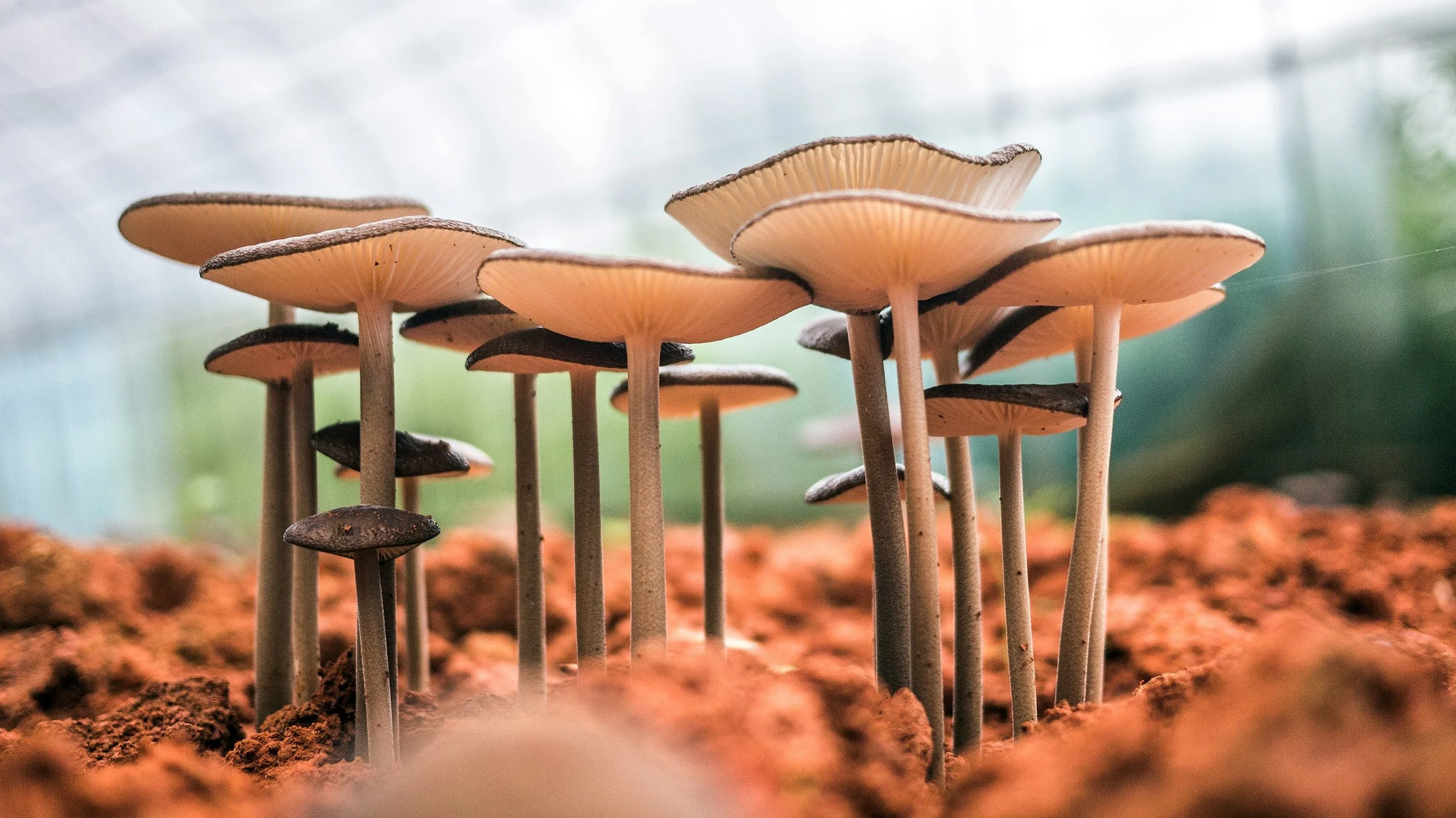
Beneath every forest, garden, and even houseplant container, there exists a hidden web of fungal threads known as mycorrhizal networks. These microscopic structures connect plant roots together, forming what many researchers describe as a living communication system.
Ideas explored in The Hidden Life of Trees by Peter Wohlleben suggest that plants can share nutrients, send warning signals, and respond to environmental changes in ways that feel almost intentional.
Wohlleben writes,
“Trees are far more social than we thought.”
When one plant is under stress, such as from drought or insect damage, it can release chemical signals into the soil and air. Nearby plants detect these signals and begin preparing their defenses before the threat even reaches them.
This is not imagination. It is biochemical communication.
A Forest That Acts Like a Community
One of the most surprising discoveries in modern plant ecology is that older trees often support younger ones through these underground networks. Large, established trees can transfer carbon, water, and nutrients to seedlings struggling in the shade.
In some cases, scientists have observed that a dying tree will send a final surge of resources into neighboring plants before it dies.
It changes the way we think about plant life entirely.
Instead of isolated individuals competing for survival, forests begin to look more like cooperative systems.
As one researcher put it,
“A forest is not just a collection of trees. It is a web of relationships.”
Some plants do not just respond to their own signals. They can also pick up on the signals of others.
For example, when a neighboring plant is being eaten by insects, certain species can detect airborne chemicals and begin producing bitter compounds or toxins in advance. It is a kind of biological early warning system.
Even more surprising, studies have shown that some plants can recognize whether the threat is real or just environmental noise and adjust their response accordingly.
A Story From the Field
In one long term study of acacia trees in Africa, researchers noticed something unusual. When giraffes began feeding on one tree, nearby acacias increased tannin levels in their leaves, making them less palatable.
But what happened next was even more interesting.
The giraffes began moving further downwind, where trees had not yet received the chemical signals.
It was a silent negotiation happening across the landscape, one that neither side consciously planned.
The Role of Fungi: Nature’s Hidden Internet
The fungi that connect plant roots are often called the “Wood Wide Web,” a term that captures both their function and mystery.
Through these networks, plants can exchange sugars produced through photosynthesis and receive nutrients like phosphorus and nitrogen in return. In some cases, entirely different species of plants are linked together in this system.
A single fungal network can span acres of land, connecting thousands of plants.
It is not just communication. It is cooperation at scale.
Fun Fact: Plants Can Recognize Their Relatives
Some experiments suggest that plants are capable of distinguishing between genetically related and unrelated neighbors. When surrounded by relatives, they may reduce competition and share resources more freely.
This kind of behavior challenges the traditional idea of plants as purely self interested organisms.
Rethinking What “Intelligence” Means
None of this means plants think or feel in the way animals do. But it does raise an important question about how we define intelligence in the natural world.
If intelligence is the ability to respond to the environment, share information, and adapt over time, then plants are far more sophisticated than they appear.
They are not passive background life. They are active participants in their ecosystems.
A Quiet System in Everyday Spaces
At Greenhaus, this idea adds another layer to how we experience plants. A space filled with greenery is not just visually calming or decorative. It is part of a living system that is constantly interacting, even if we cannot perceive it directly.
Even in a small collection of houseplants, there is a sense of connection happening through soil microbes, moisture cycles, and shared environmental responses.
It is subtle, but it is real.
There is a quiet exchange happening all the time.
And once you notice it, it changes the way you look at every plant you pass.
With Love,
The Greenhaus Team
