
Some plants don’t just sit quietly in the background. They rewrite the rules entirely. If you follow the trail from research hubs like Royal Botanic Gardens Kew, a pattern emerges. When conditions get extreme, plants do not give up. They get strange, inventive, and surprisingly expressive.
Here is a richer look at some of the most unusual plants on Earth, brought to life with real moments and stories.
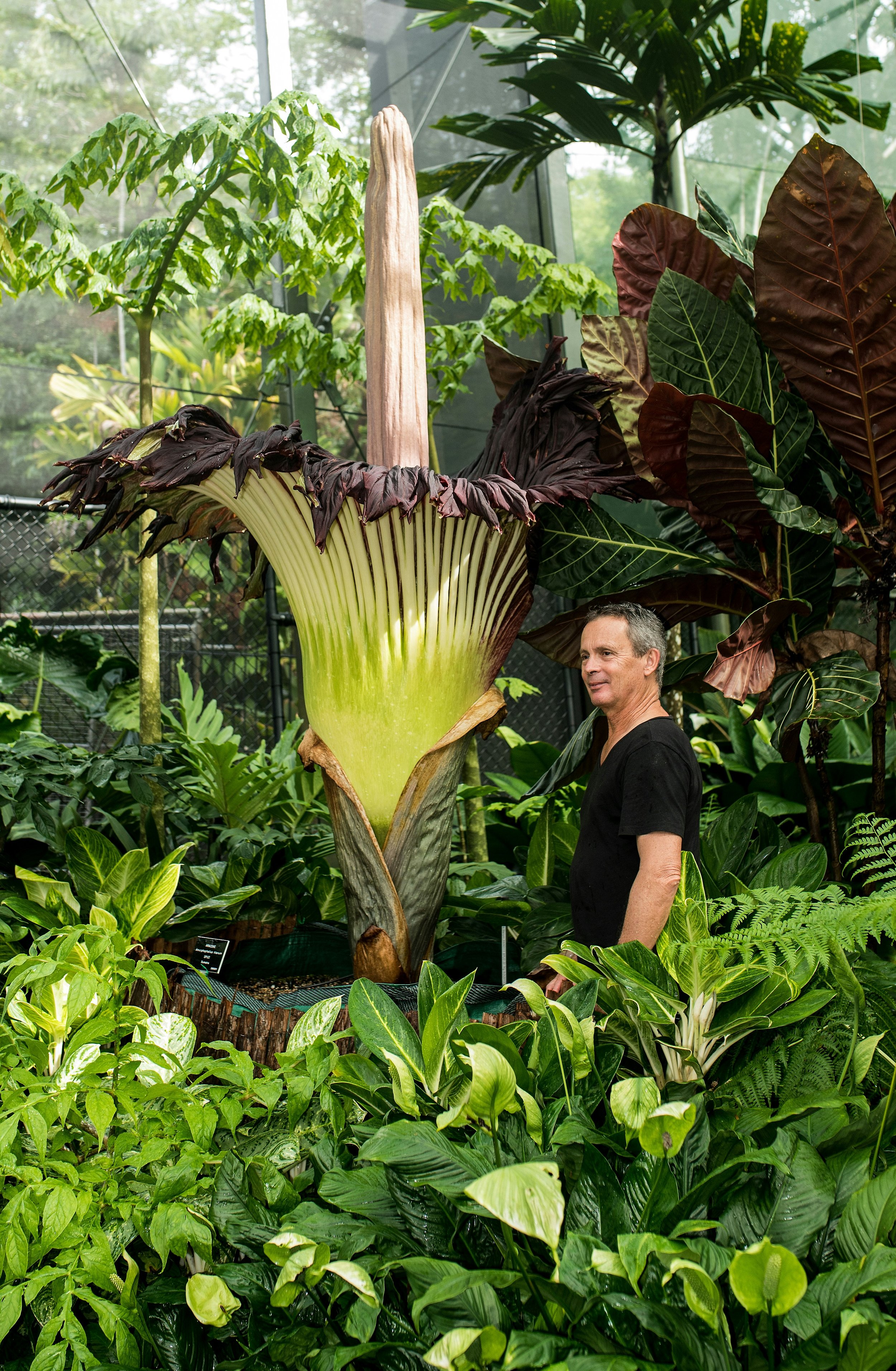
1. Corpse Flower (Amorphophallus titanum)
The first time the Amorphophallus titanum blooms, people do not forget it.
It can take years to open, and when it does, the smell is overwhelming. Rotting meat, garbage, something unmistakably biological. At the Chicago Botanic Garden, visitors once waited in line for hours just to experience it. Some laughed, some covered their noses, some immediately walked away. But almost no one ignored it.
What makes it even more fascinating is that the plant generates heat while blooming. That warmth helps carry the scent farther, convincing insects that something has died nearby. It is not beauty that attracts attention here. It is strategy.
2. Venus Flytrap (Dionaea muscipula)
The Dionaea muscipula does something that feels almost impossible for a plant. It moves quickly.
Inside each trap are tiny trigger hairs. Touch one and nothing happens. Touch two within seconds and the trap snaps shut. It is precise, almost calculated.
There is a well known story of Charles Darwin keeping these plants in his study. He was so fascinated that he fed them bits of meat to observe their reactions. He later described them as one of the most wonderful plants in the world.
Seeing one close in real time still feels like watching something cross a line between plant and animal.
3. Lithops
At first glance, Lithops look like nothing at all.
They blend perfectly into desert ground, mimicking stones so convincingly that even trained botanists sometimes walk right past them. Then, almost without warning, a bright flower emerges from the middle of what looked like a rock.
One field researcher once described the moment of noticing them as unsettling. “It felt like the ground was suddenly alive.” That is the level of disguise they achieve.
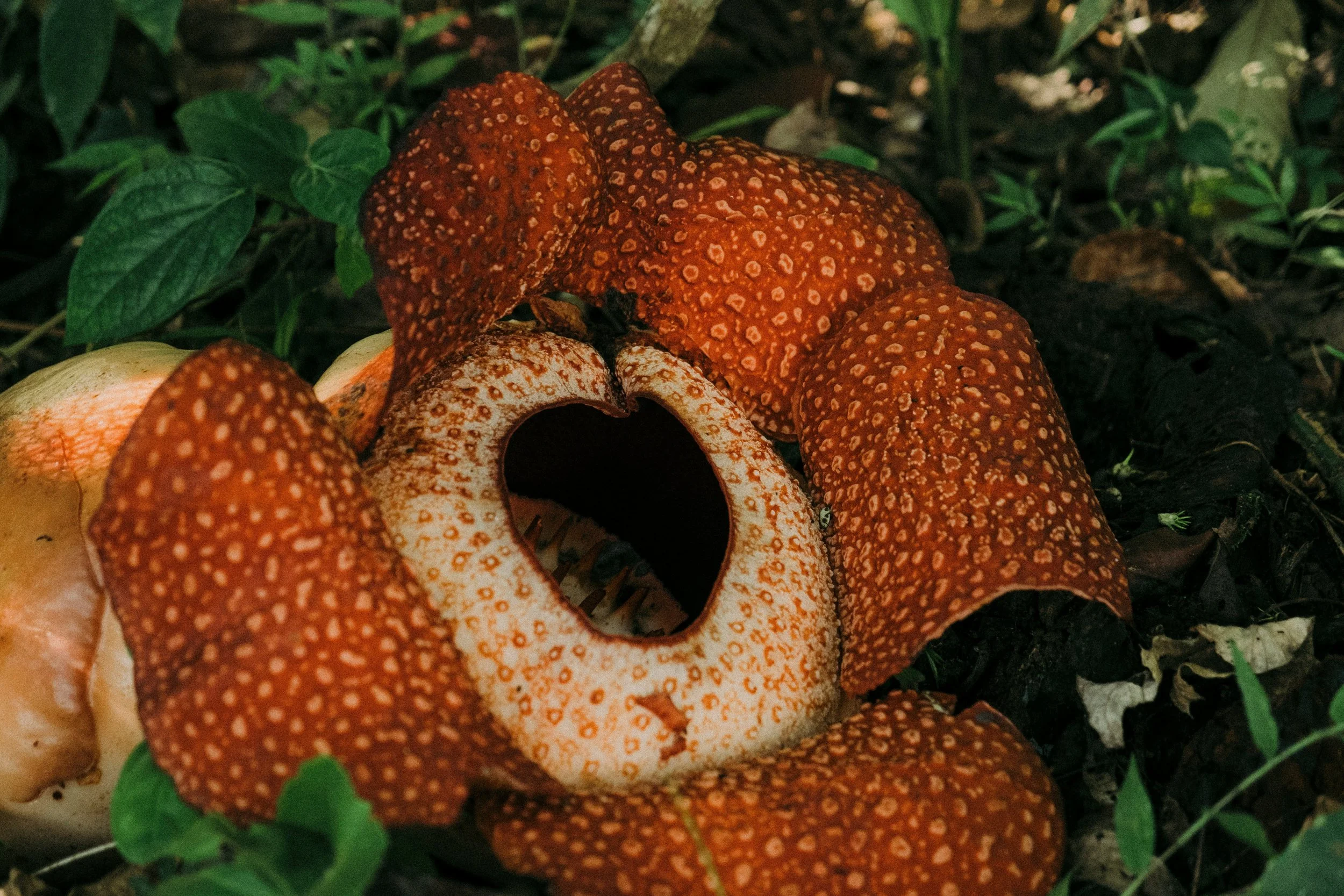
4. Rafflesia
The Rafflesia arnoldii is enormous, rare, and deeply strange.
It has no leaves, no stem, and no visible structure for most of its life. It lives hidden inside a host plant until it suddenly blooms into one of the largest flowers on Earth.
Local guides in Southeast Asia often talk about the first time they saw one. It does not feel like discovering a plant. It feels like encountering something that should not exist. And like the corpse flower, it smells like decay, drawing in the insects it needs.
5. Sensitive Plant (Mimosa pudica)
Touch the Mimosa pudica and it reacts instantly.
Its leaves fold inward as if startled. This is caused by rapid changes in water pressure inside its cells, almost like a tiny hydraulic system.
In classrooms, it never fails to get a reaction. Students reach out cautiously, tap the leaves, and then laugh or pull back in surprise. It turns a quiet lesson into something interactive. A reminder that plants are not as still as they seem.
6. Pitcher Plants (Nepenthes)
The Nepenthes are elegant and a little unsettling.
Their long hanging pitchers fill with liquid that digests whatever falls inside. Insects are the usual visitors, but some of the largest species have been found with small animals inside.
One researcher studying them described watching an insect land, hesitate, then slip. It was not dramatic. It was quiet and inevitable. But in that moment, you see the plant not as decoration, but as an active participant in its environment.
7. Welwitschia
The Welwitschia mirabilis looks almost broken at first glance.
Two long leaves stretch out and fray over time, twisting into wild shapes across the desert floor. But those same leaves can live for over a thousand years.
Imagine a single plant surviving through centuries of heat, wind, and almost no rain. Some individuals alive today were already growing long before modern cities existed. It does not just survive. It endures.
8. Hydnora africana
The Hydnora africana spends most of its life out of sight.
When it emerges, it does not resemble a typical plant. It looks more like something from another world, thick and fleshy, opening slowly and releasing a strong odor to attract beetles.
People who encounter it for the first time often assume it is not a plant at all. That confusion is part of what makes it so memorable.
9. Dancing Plant (Codariocalyx motorius)
The Codariocalyx motorius moves in a way you can actually watch.
Its small side leaves shift position in response to light and temperature, sometimes even reacting to vibrations. Given enough time, it looks like a slow, deliberate dance.
In the 1800s, people would gather around these plants just to watch them move. It was a kind of quiet entertainment, long before screens took over attention.
10. Baobab
The Adansonia trees feel ancient in a way that is hard to describe.
Their massive trunks store water, allowing them to survive long dry seasons. Some are thousands of years old. Entire communities have grown around them.
In parts of Africa, people use baobabs as landmarks, meeting places, even shelters. There are stories of travelers navigating by them, generation after generation. The tree becomes more than a plant. It becomes part of human life.
What connects all of these is not just how unusual they are. It is why they are that way.
Each strange feature solves a problem. Lack of nutrients leads to trapping insects. Harsh sunlight leads to blending in. Scarcity leads to efficiency and patience.
Even in a place like Naples, where the plants are more familiar, the same principle is at work. Every plant carries a story shaped by its environment.
Spaces like Greenhaus tap into that idea in a quieter way. A plant does not have to be rare or extreme to spark curiosity. It just has to make someone pause for a second longer than usual. Sometimes that pause turns into a question. And sometimes that question can change how someone sees the space around them forever.
With love,
The Greenhaus Team
